

How many of us keep track of our sleep posture? We have a favourite position; we fall asleep and that’s as far as it goes. But sleep position can have profound implications not only for the quality of sleep, but also for long-term health. Indeed, in the worst-case scenarios, a bad sleep posture may be slowly killing you.
Despite the impact sleep posture can have on conditions such as dementia and heart disease, research is limited and tends to focus on aches and pains. But back pain is just one implication of an unsuitable sleep position.
Dr Kat Lederle is a sleep scientist and the author of Sleep Sense. She points out that lifestyle factors in the day are usually the cause of postural problems at night.
“What you do in the day generally triggers the pain and discomfort that is felt when you sleep in certain positions. One of the most common contributing factors to this is a sedentary lifestyle, so it is important to move regularly during the day.”
The health risks of your sleep position – and how to deal with them
Side sleeping
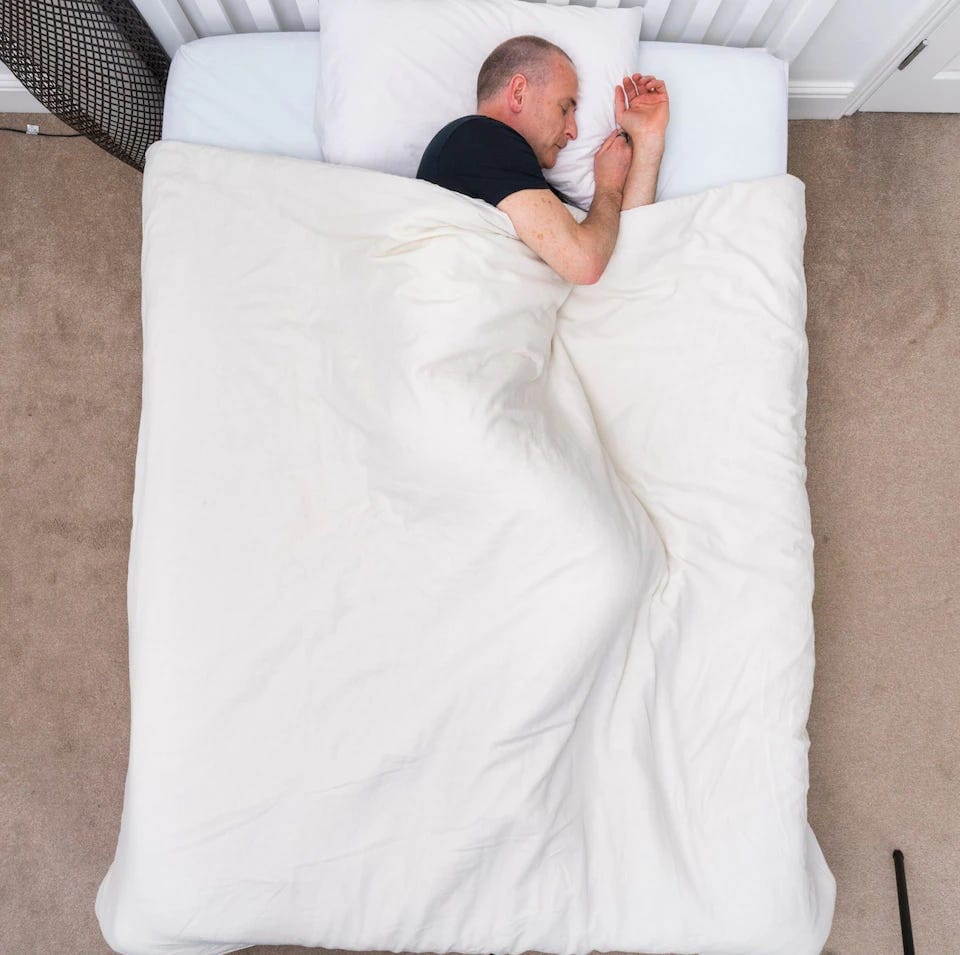
It is advised that pregnant women and anyone who suffers from acid reflux or gastroesophageal reflux disease (GERD) or other gut problems sleep on their left side.
“This is because the stomach is lower than your oesophagus,” explains chartered physiotherapist, sleep expert and author of The Good Sleep Guide, Sammy Margo.
People with heart conditions, on the other hand, are advised to try sleeping on their right side to alleviate pressure on the organ. Studies show that when people lie on their left side the position of their heart shifts due to gravity. This causes changes in the heart’s electrical activity. Tissues and structures between the lungs hold the heart in place when you sleep on your right side.
Sleep position may also have an impact on brain health. During sleep the brain’s glymphatic system “washes” waste toxins away from the brain. There is evidence that suggests this process works better when we sleep on our right side.
“That is potentially of interest to people at risk of dementia or Alzheimer’s or any kind of neurodegenerative disease,” says Lederle.
Postural problems can occur with side sleepers depending on body shape, as Margo explains. “Women with hourglass figures sleeping on a soft mattress will sink into a banana shape and that will cause a strain on the spine and hips. While men who side-sleep can tend to get more pain in their shoulders as they get older and their muscles weaken.”
Side sleeping can also cause wrinkles and breast sagging because the skin on the face can get pressed against bedding and gravity can pull breast tissue and stretch skin.
One 2022 study by Beijing Forestry University and Chenzhou Vocational Technical College looked at the relationship between sleeping position and sleep quality. It used flexible wearable sensors to monitor sleep position and turning frequency. It concluded that subjects without sleep disorders who prefer to sleep on their side will sleep better than those who like to sleep on their back and that a higher frequency of turning during sleep will reduce sleep quality.
Another study published in 2021 looked at relationships between sleep posture, back pain and quality of sleep. It reported that positions in which the spine was twisted can cause tissue micro damage and muscle spasms. The study compared common positions such as supine (back sleeping), provocative side lying (where the sleeper twists at the hip with one leg over the other), protected side lying (where the sleeper places a hand between the thighs and crosses the other arm over the chest), and prone (front sleeping).
It concluded that while it is not known if sleep posture is a risk factor for acute onset or recurrent back pain, participants with symptoms and stiffness in the morning spent more of the night in provocative (i.e. twisted at the hip) sleep postures.
To mitigate some of the problems associated with side sleeping Margo recommends using a thick pillow to align the head and neck with your spine and placing a pillow between your knees to support your hips and reduce strain on your lower back.
Back sleeping
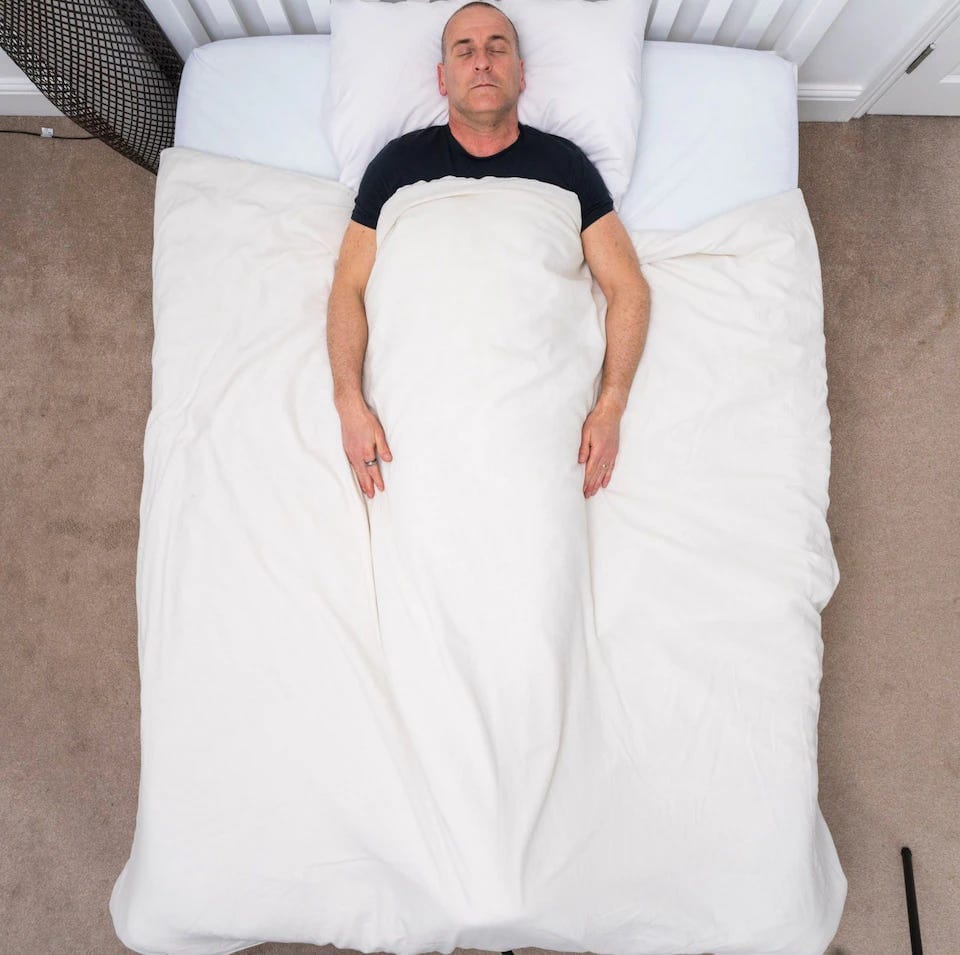
Lederle explains: “This has implications for wider health and often goes hand in hand with obesity. It disrupts the continuity and quality of sleep. It can lead to tiredness, which can be a problem for people driving. There are also physical health implications. Poor quality sleep raises the risk of diabetes, heart disease and other co-morbidities. Sleep apnoea opens the door to all these other conditions.”
One way to try to lessen the problem is to sleep in an elevated position.
However, for those who suffer from back and neck pain, back sleeping is often the best option.
Margo says: “The optimal position for spine alignment is lying on your back with a pillow under the knees to soften the back. This position preserves the natural contours of your spine. It can also minimise wrinkles.”
She also points out that for those who do not suffer from sleep apnoea, back sleeping can be a good position to train yourself into as you get older as back sleepers tend to have less back pain and back sleeping is also required for post-operative patients.
Front sleeping
“Twisting your neck to the side puts strain on your neck, and stomach sleeping can also arch your spine,” explains Margo.
“Direct pressure on the face can contribute to wrinkles over time,” she adds.
To help alleviate postural pain front sleepers are advised to use a thin pillow, or no pillow at all, to keep the neck in a more neutral position and to place a pillow under the pelvis to help keep the lower back supported.
The best ways to change your sleep position
If you want to change your regular sleep position, gradually train yourself. For example, if you want to change from a back sleeper to a side sleeper lie on your favoured side for five minutes the first night and then roll onto your back. The following night increase to six minutes, then seven and so on. Start slowly and build up until you get used to the position.

Go paid at the $5 a month level, and we will send you both the PDF and e-Pub versions of “Government” - The Biggest Scam in History… Exposed! and a coupon code for 10% off anything in the Government-Scam.com/Store.
Go paid at the $50 a year level, and we will send you a free paperback edition of Etienne’s book “Government” - The Biggest Scam in History… Exposed! OR a 64GB Liberator flash drive if you live in the US. If you are international, we will give you a $10 credit towards shipping if you agree to pay the remainder.
Support us at the $250 Founding Member Level and get a signed high-resolution hardcover of “Government” + Liberator flash drive + Larken Rose’s The Most Dangerous Superstition + Art of Liberty Foundation Stickers delivered anywhere in the world. Our only option for signed copies besides catching Etienne @ an event.


