

Ten head-to-head clinical trials — pulled from the GreenMedInfo archive — in which honey, turmeric, saffron, ginger and a handful of other kitchen staples matched or outperformed prescription medications. Each one links to the full research write-up.
🫚They put the spice in one arm of the trial and the drug in the other.
— Sayer Ji (@sayerjigmi) October 3, 2026
Same patients. Same scoring. Peer-reviewed.
The spice won. Over and over.
10 head-to-head studies pharma hopes you never read — all from the 1.4M-study @GreenMedInfo archive 🧵👇 pic.twitter.com/Y9wMVIxqvQ
For nearly two decades, GreenMedInfo has done one thing most health publishers never bother with: we go into the National Library of Medicine and pull out the studies where researchers put a natural substance directly against a drug — same condition, same patients, same scoring — and then publish what they found.
Those studies exist. There are thousands of them. They just don’t get press releases, because nobody holds a patent on honey.
Below are ten of the most striking. Every one is a human trial. Every one is indexed in our database. And every one links to the long-form article where you can read the methodology, the numbers and the citations for yourself.
A word before we start: this is research information, not medical advice. Several of these trials are small. Some are single studies that have not been replicated. I have flagged which ones have the strongest designs. Read them, bring them to your practitioner, and decide for yourself. That is the entire point of having the archive.
1. Honey + Coffee vs. Prednisolone — Persistent Cough
The trial: Randomized, double-blind, 97 adults with post-infectious cough lasting more than three weeks. One group got a paste of honey and instant coffee every eight hours. One got the steroid prednisolone. One got guaifenesin (the active ingredient in Mucinex). Primary Care Respiratory Journal, 2013.
The result: Cough scores in the honey-coffee group fell from 2.9 to 0.2 — a 93% reduction. Prednisolone managed 3.0 to 2.4, about 20%. Guaifenesin did essentially nothing. The study authors’ own conclusion: “Honey plus coffee was found to be the most effective treatment modality.”
A kitchen remedy outperformed a corticosteroid by a factor of roughly fourteen — with none of the steroid’s immune-suppressing, bone-thinning, blood-sugar-wrecking side effects.
2. Curcumin vs. Metformin — Stopping Prediabetes Cold
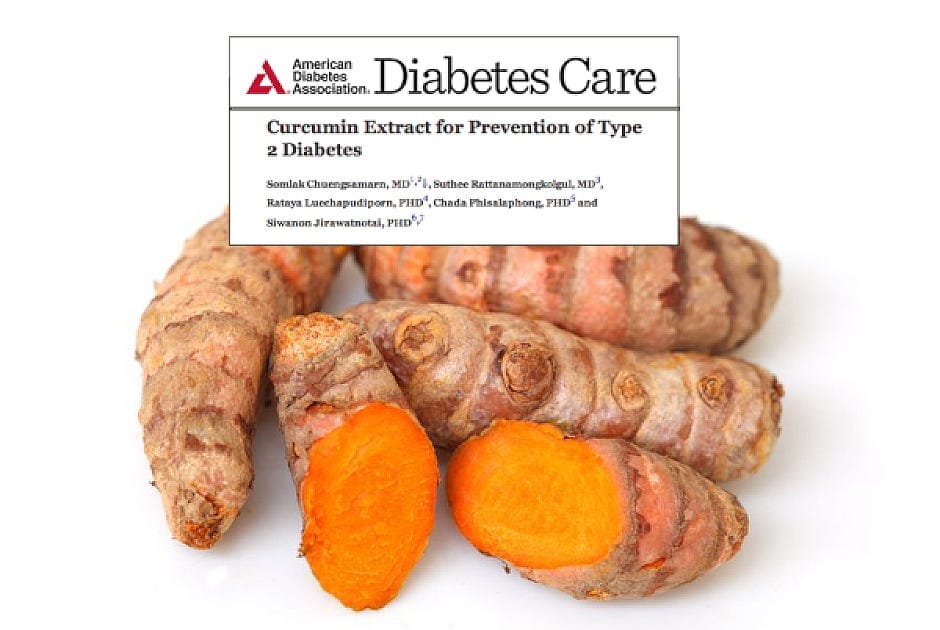
The trial: Randomized controlled trial in Thailand, published in the American Diabetes Association’s own journal, Diabetes Care, 2012. Prediabetic patients took either a curcumin extract (from turmeric) or placebo for nine months.
The result: Zero patients in the curcumin group progressed to type 2 diabetes. In the placebo group, 16.4% did. Curcumin also improved beta-cell function and reduced insulin resistance, with only minor side effects reported.
For context: metformin, the front-line drug given to high-risk patients, reduced progression to diabetes by just 31% over three years in the landmark Diabetes Prevention Program. No pharmaceutical has ever come close to a 100% prevention rate.
3. Berberine vs. Metformin — Type 2 Diabetes
The trial: 36 adults with newly diagnosed type 2 diabetes, three months, berberine versus metformin head-to-head. Metabolism, 2008.
The result: Berberine — a bitter alkaloid from goldenseal, barberry and Oregon grape — matched metformin on A1c, fasting glucose and post-meal glucose. Then it pulled ahead on lipids: by week 13, triglycerides and total cholesterol were significantly lower in the berberine group. In a second arm, 48 poorly-controlled diabetics on berberine saw A1c drop from 8.1% to 7.3% and fasting insulin fall 28%.
A later meta-analysis of 37 studies and 3,048 patients found berberine did not increase adverse events or the risk of hypoglycemia. Metformin, by contrast, carries a black-box risk of lactic acidosis.
4. Saffron vs. Prozac and Lexapro — Depression, OCD, Postpartum Depression
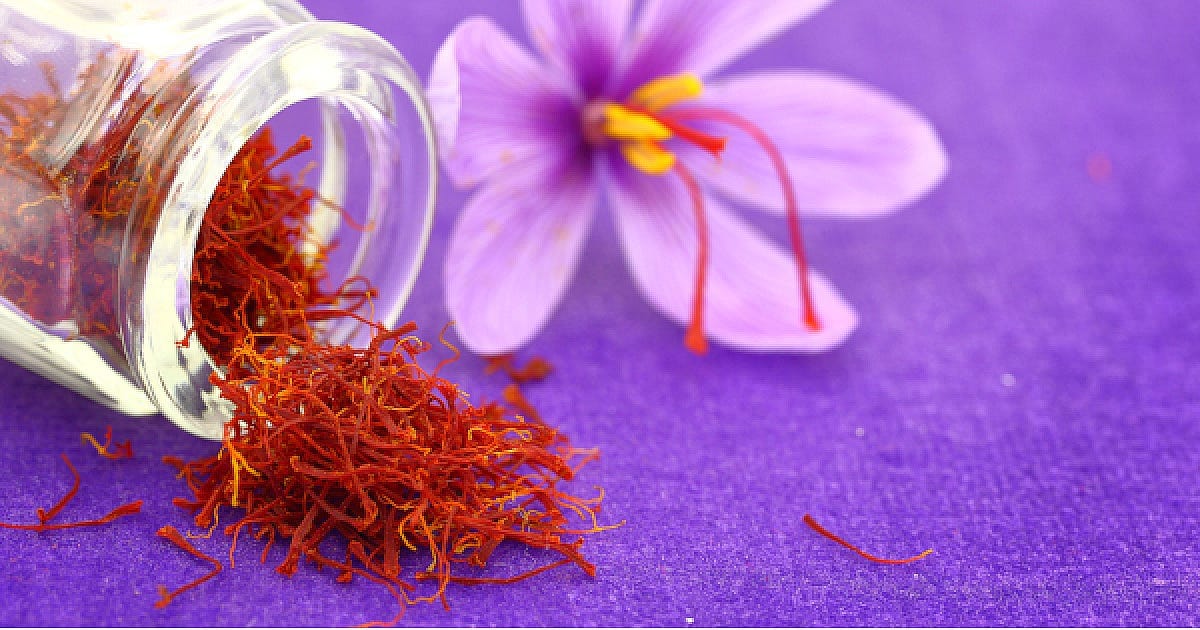
The trials: Six separate head-to-head studies. In a 2016 double-blind trial, 30 mg/day of saffron matched 40 mg of fluoxetine for postpartum depression over six weeks. A 60-patient, 8-week trial found saffron equal to fluoxetine for OCD, with “many fewer” adverse effects. Additional trials found no difference against 60 mg fluoxetine for major depression and panic disorder.
The standout: A 2020 study of 54 patients found 15 mg of saffron produced significantly greater reductions in Hamilton Depression scores — and higher response and remission rates — than 10 mg of escitalopram (Lexapro).
A 2025 meta-analysis of eight RCTs confirmed it: saffron is as effective as SSRIs for depression, with fewer adverse events. The spice in your paella is running even with — and sometimes ahead of — the most prescribed class of psychiatric drugs on earth.
5. Honey vs. Dextromethorphan — Children’s Nighttime Cough

The trial: Children with upper respiratory infections were given buckwheat honey, honey-flavored dextromethorphan (the “DM” in Robitussin DM, Mucinex DM, Vicks Formula 44), or nothing before bed. Parents rated cough frequency, severity and sleep quality. Archives of Pediatrics & Adolescent Medicine, 2007.
The result: Honey scored best on every measure. Parents rated cough frequency 1.89 points better after honey, 1.39 after DM, and 0.92 with nothing. The quietly damning finding: dextromethorphan was not statistically better than no treatment on any outcome.
Even the CDC now advises honey for cough in anyone over one year old. The multi-billion-dollar cough syrup aisle has still not gotten the memo.
6. Turmeric vs. Ibuprofen and Naproxen — Knee Osteoarthritis
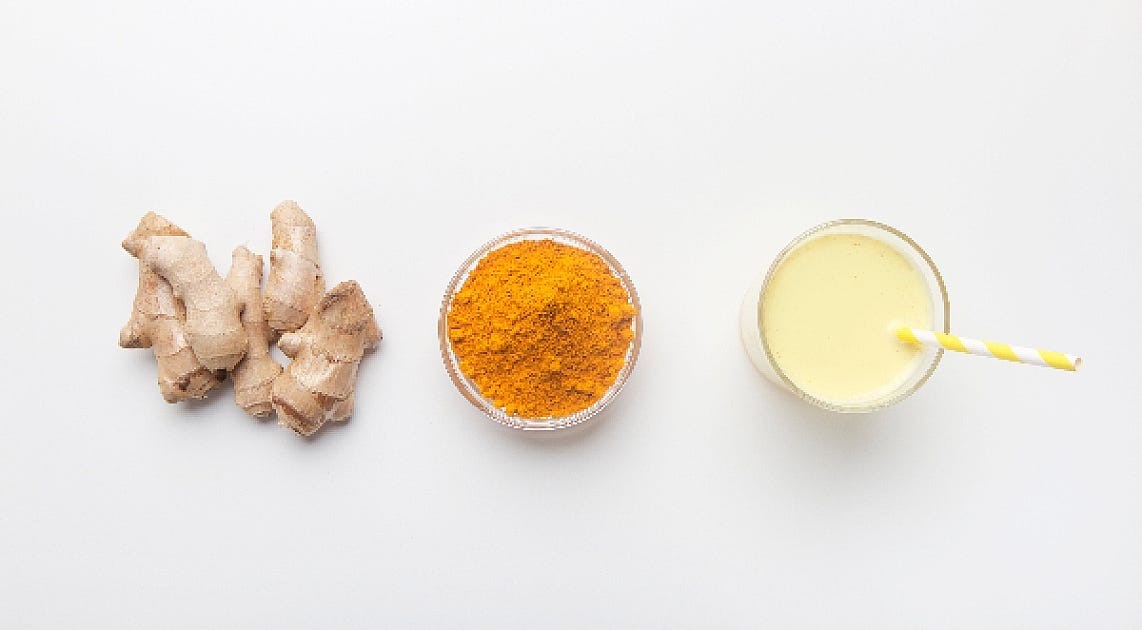
The trials: A Thai study gave 367 knee osteoarthritis patients either 1,500 mg/day of turmeric extract or 1,200 mg/day of ibuprofen for four weeks. Separately, a 2022 double-blind RCT in Phytotherapy Research gave 60 patients either 500 mg naproxen twice daily or a capsule of turmeric extract, gingerols and piperine twice daily for a month.
The result: Turmeric matched ibuprofen for pain relief and function, with 96–97% patient satisfaction in both groups — but fewer gastrointestinal side effects. The turmeric-ginger-pepper formula relieved pain and inflammation on par with naproxen, with patients rating it equal or better on tolerability, and no adverse effects.
NSAIDs are linked to thousands of GI-bleed deaths a year. Turmeric has a 4,000-year safety record and over 900 documented health benefits in our database.
7. Ginger vs. Mefenamic Acid and Ibuprofen — Menstrual Pain
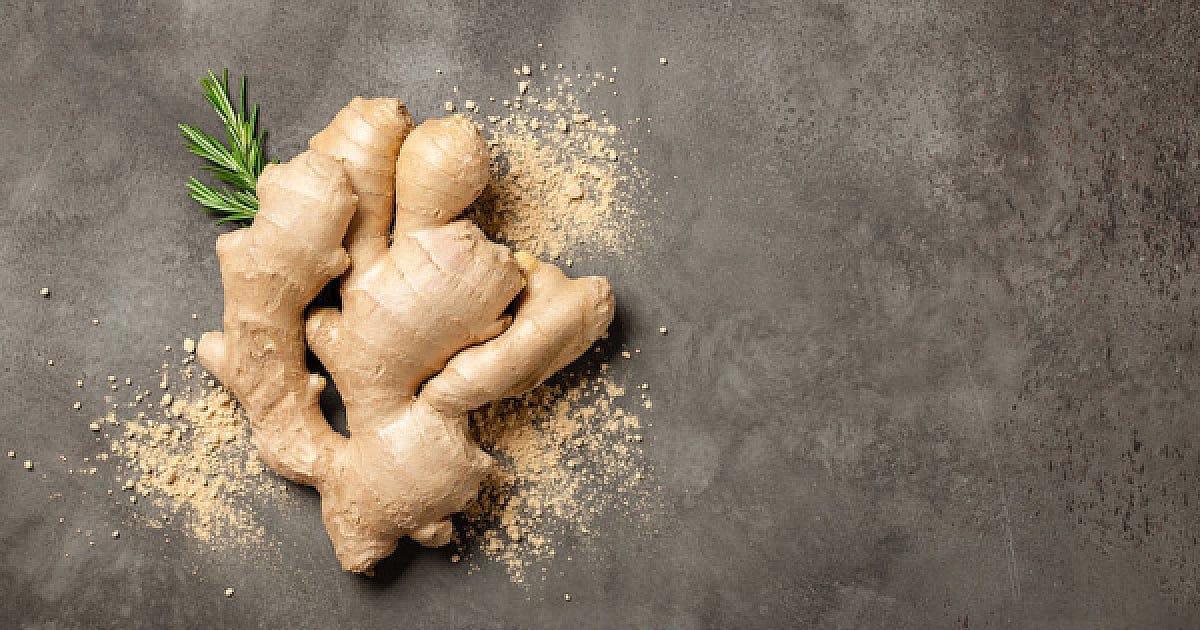
The trials: 122 women with moderate-to-severe dysmenorrhea took either 250 mg of ginger every six hours or the NSAID mefenamic acid every eight hours, across two menstrual cycles. An earlier trial of 150 women compared 250 mg ginger four times daily against both mefenamic acid and ibuprofen for three days.
The result: Ginger reduced pain “significantly and equally” to the drug in the first trial — roughly half the women in each group went from moderate/severe to mild. In the second, the authors concluded flatly that ginger is as effective as the drugs.
The difference is what comes with it: NSAIDs raise the risk of ulcers, bleeding and cardiovascular events. Ginger raises the risk of nothing in particular.
8. Echinacea + Elderberry vs. Tamiflu — Influenza

The trial: Double-blind comparison of an Echinacea purpurea and elderberry blend against oseltamivir (Tamiflu), the world’s best-selling flu drug. Current Therapeutic Research, 2015.
The result: By day five, the herbal blend was already slightly ahead. By day ten, 90.1% of the herb group had recovered versus 84.8% on Tamiflu — with fewer complications and fewer side effects. Elderberry alone has repeatedly been shown to cut flu recovery from 7–8 days to 2–3.
Governments stockpiled billions of dollars of Tamiflu. A Cochrane review later found it shortened flu symptoms by about half a day. Elderberry costs twelve dollars.
9. Licorice (DGL) vs. Tagamet — Peptic Ulcers
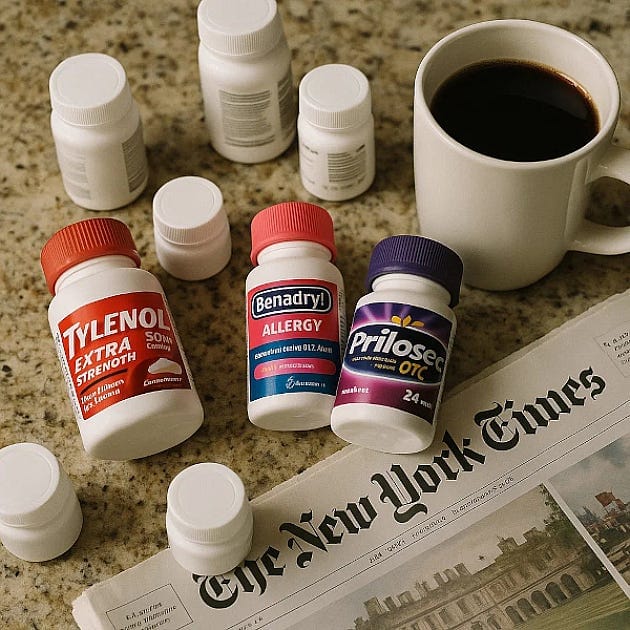
The trial: Deglycyrrhizinated licorice (DGL) at 760 mg three times daily versus cimetidine (Tagamet), the first blockbuster acid-blocker, for peptic ulcer healing and relapse.
The result: DGL achieved 91% ulcer healing with an 8.2% relapse rate, versus 12.9% relapse with Tagamet. In the same research roundup, 3,000 mg/day of turmeric achieved 72% ulcer healing at eight weeks — comparable to omeprazole (Prilosec).
Acid-blockers are now linked to dementia, kidney disease, fractures and nutrient malabsorption with long-term use. Licorice root has been treating stomachs since Hippocrates.
10. Colostrum vs. the Flu Shot — Influenza Prevention
The trial: Head-to-head comparison of oral colostrum against flu vaccination in both healthy adults and high-risk cardiovascular patients over two months. Clinical and Applied Thrombosis/Hemostasis, 2007.
The result: Healthy adults on colostrum alone averaged 0.33 flu episodes versus 1.1 in the vaccinated-only group — roughly three times more protective. Among the high-risk cardiac patients, the colostrum group had zero hospital admissions; the vaccinated group had multiple hospitalizations and one death. Flu-related costs in the colostrum group were about 30% of the vaccinated group’s. No significant side effects were reported.
Vitamin D, for the record, cut influenza A risk by 59% in children at 1,200 IU/day in a separate RCT. Neither appears in a single public health campaign.
Honorable Mentions: When “Doing Something Else” Beat the Drug
Not every alternative comes in a capsule. From our long-running piece on non-pill interventions that outperformed pharmaceuticals in head-to-head trials:
- Sudarshan Kriya yoga breathing beat the antidepressant imipramine for depression (Journal of Affective Disorders, 2000).
- Acupuncture beat flunarizine for migraine prevention, with superior tolerability.
- Abdominal aromatherapy massage beat Tylenol for menstrual pain.
- Hypnosis matched Valium for anxiety during embryo transfer, with fewer side effects.
- Blue and red light therapy beat 5% benzoyl peroxide for acne, with no side effects.
- An elemental diet matched high-dose steroids for Crohn’s disease in children — and was superior for supporting their growth.


