BS”D
Nearly everything your doctor does is based on research published in medical journals - but the journals are revealed by insiders to be completely untrustworthy.
If you’re still clinging to the belief that “science is self-correcting,” or that “peer review ensures quality,” or that “your doctor’s recommendations are grounded in solid science”….
This article will shatter that illusion.
You’re better off flipping a coin than blindly trusting what’s published in medical journals—and frankly, that’s unfair to the coin. The coin isn’t taking bribes from pharmaceutical companies.
Here I’m republishing the majority of two articles by Dr. Wojak, MD. They’re fully documented, and so revealing and critically important to your health decisions that must share the information with you.
First are the stunning quotes, and the details follow. The links to his originals are at the end.
Dr. Wojak:
The Emperor Admits He Has No Clothes
Nearly everything doctors do—what they learn in medical school, what guidelines they follow, what drugs they prescribe, what procedures they perform—is based on research published in medical journals. The entire medical system is downstream from that literature. And doctors don’t verify this research themselves. They simply trust it.
But here you have the editors-in-chief of the world’s most prestigious medical journals unequivocally admitting that the journals are corrupt and the research cannot be trusted.
This is a compilation of damning admissions from some of the most authoritative figures in medical science—top editors of the world’s most influential medical journals: The Lancet, The New England Journal of Medicine, The BMJ, JAMA, and more.
Their statements expose a system corrupted by profit, conflicts of interest, and institutional decay—confirming what the data already shows: modern medicine is deeply compromised, most of the published research is junk, and your doctor cannot be trusted to know the difference.
In other words, the most authoritative figures in medical science admit that the medical system is a sham.
The Admissions
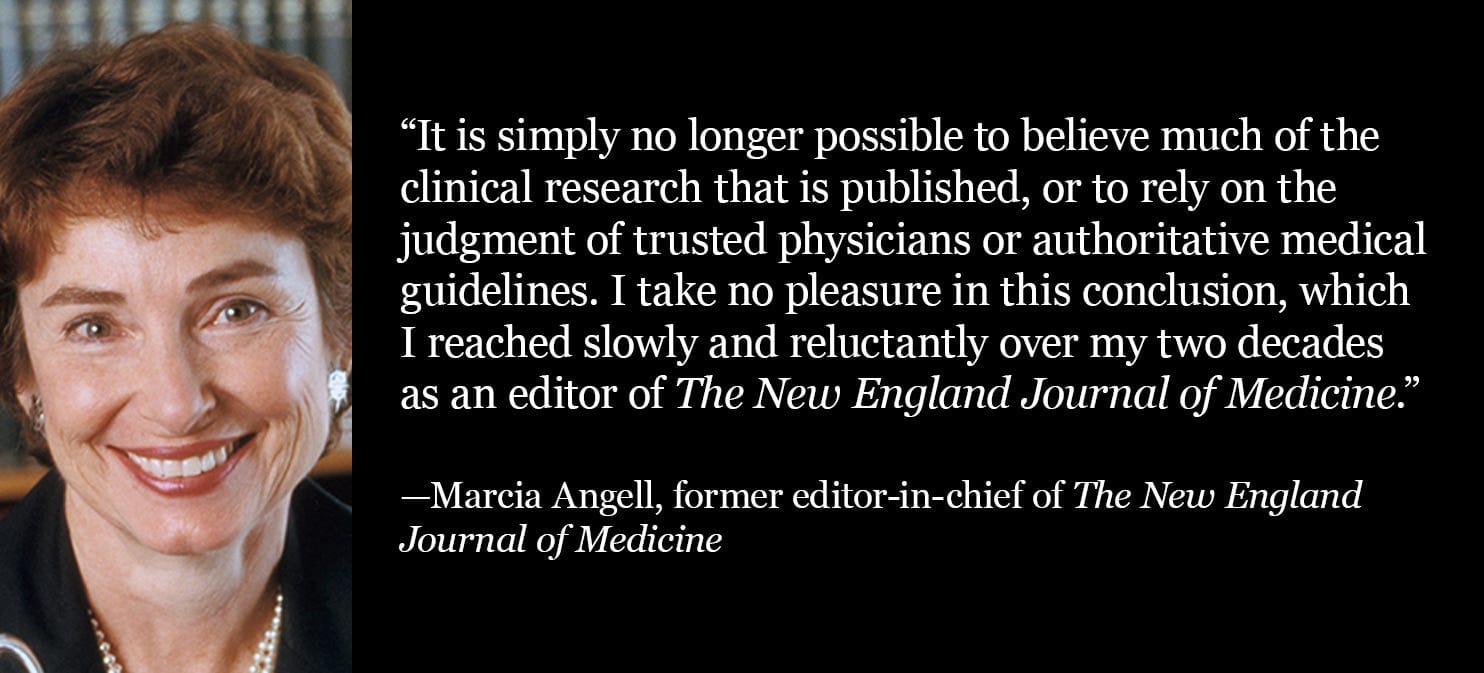
First up is Marcia Angell, former editor-in-chief of The New England Journal of Medicine, where she was an editor from 1979 through 2000. She’s also a physician and currently a Senior Lecturer in Global Health and Social Medicine at Harvard Medical School.
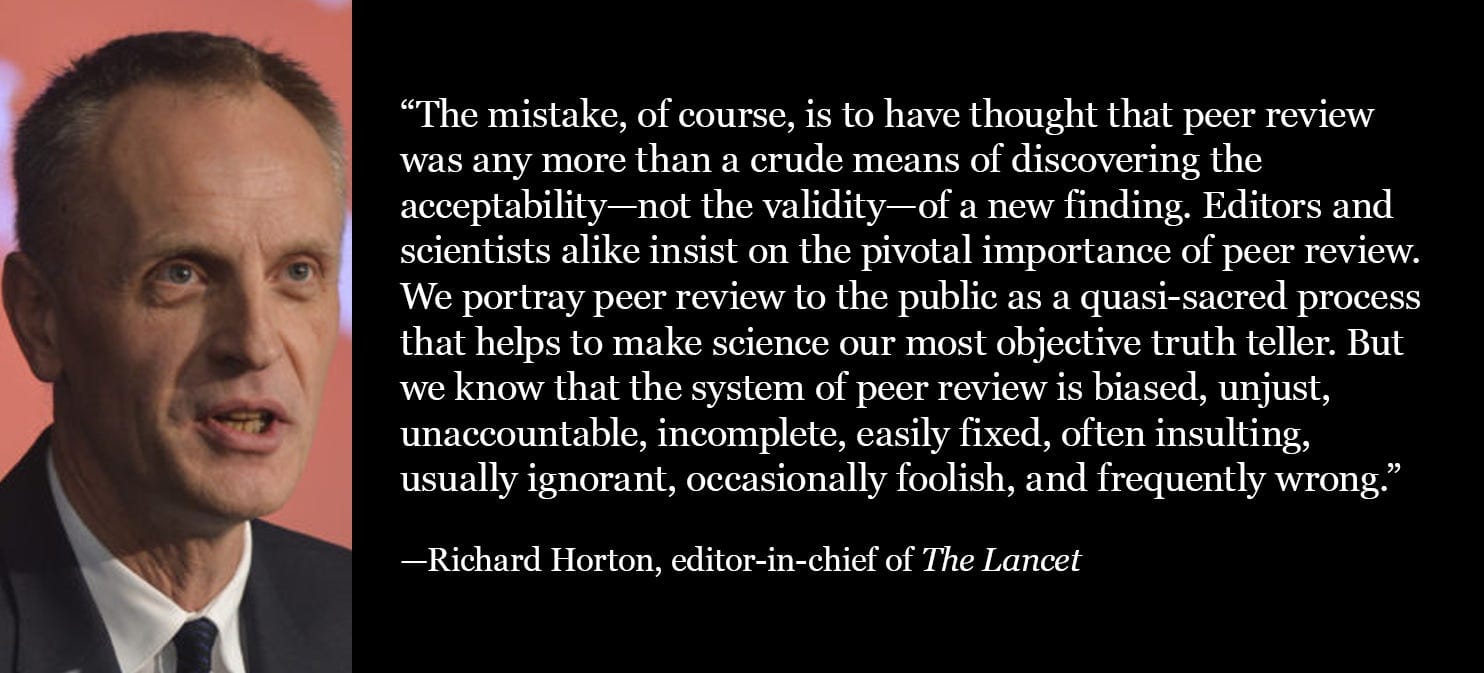
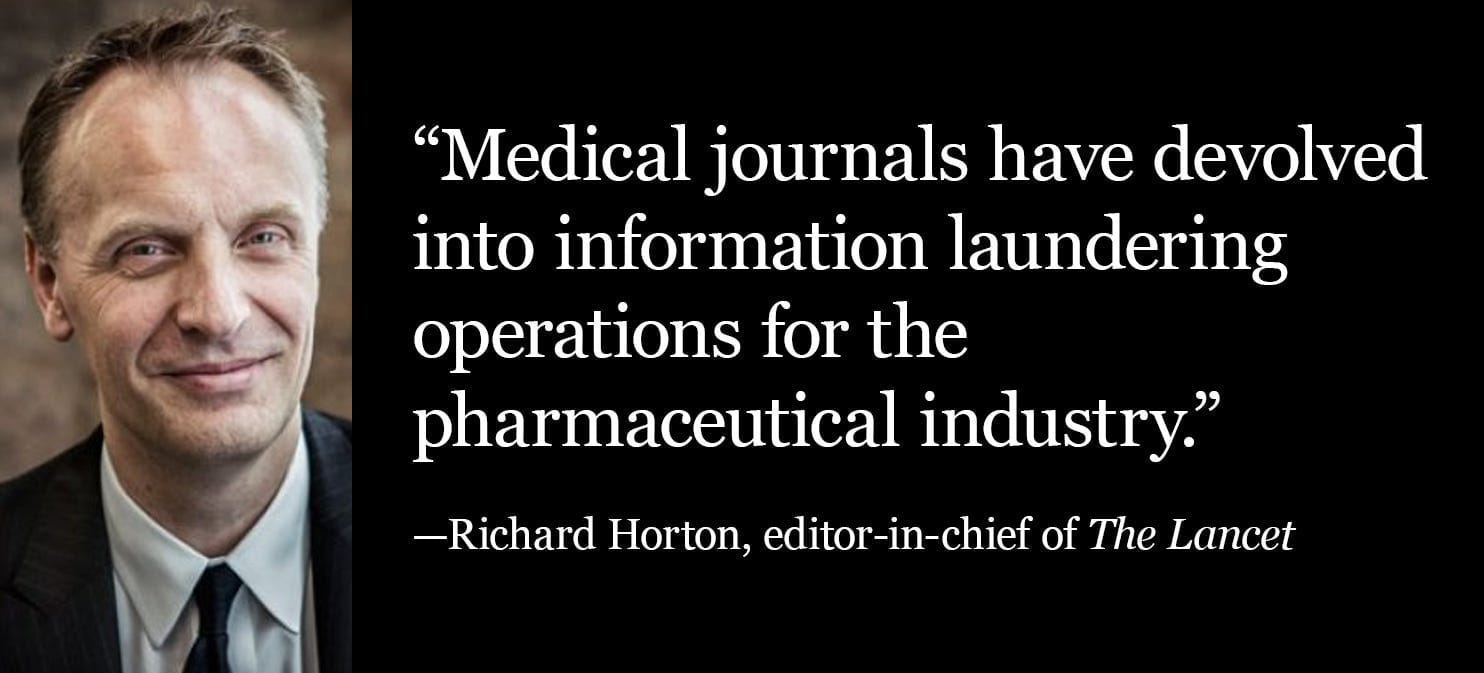
Next is Richard Horton, a physician who has been the editor-in-chief of The Lancet since 1995. He is also an honorary professor at the London School of Hygiene and Tropical Medicine, University College London, and the University of Oslo.

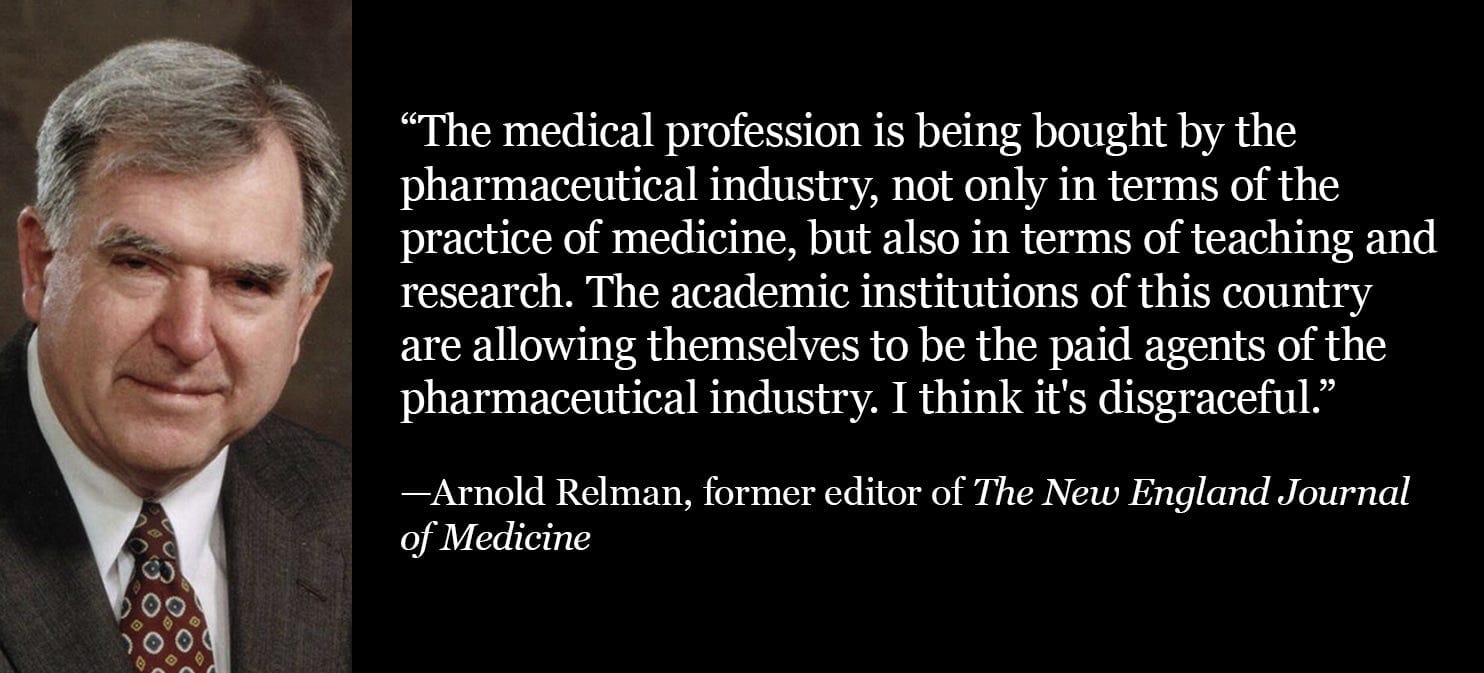
Arnold Relman was the longtime editor-in-chief of The New England Journal of Medicine. He was also a physician and professor of medicine at Harvard Medical School. He served as editor of NEJM from 1977 to 1991 and was the only person to have been president of the American Federation for Clinical Research, the American Society for Clinical Investigation, and the Association of American Physicians.
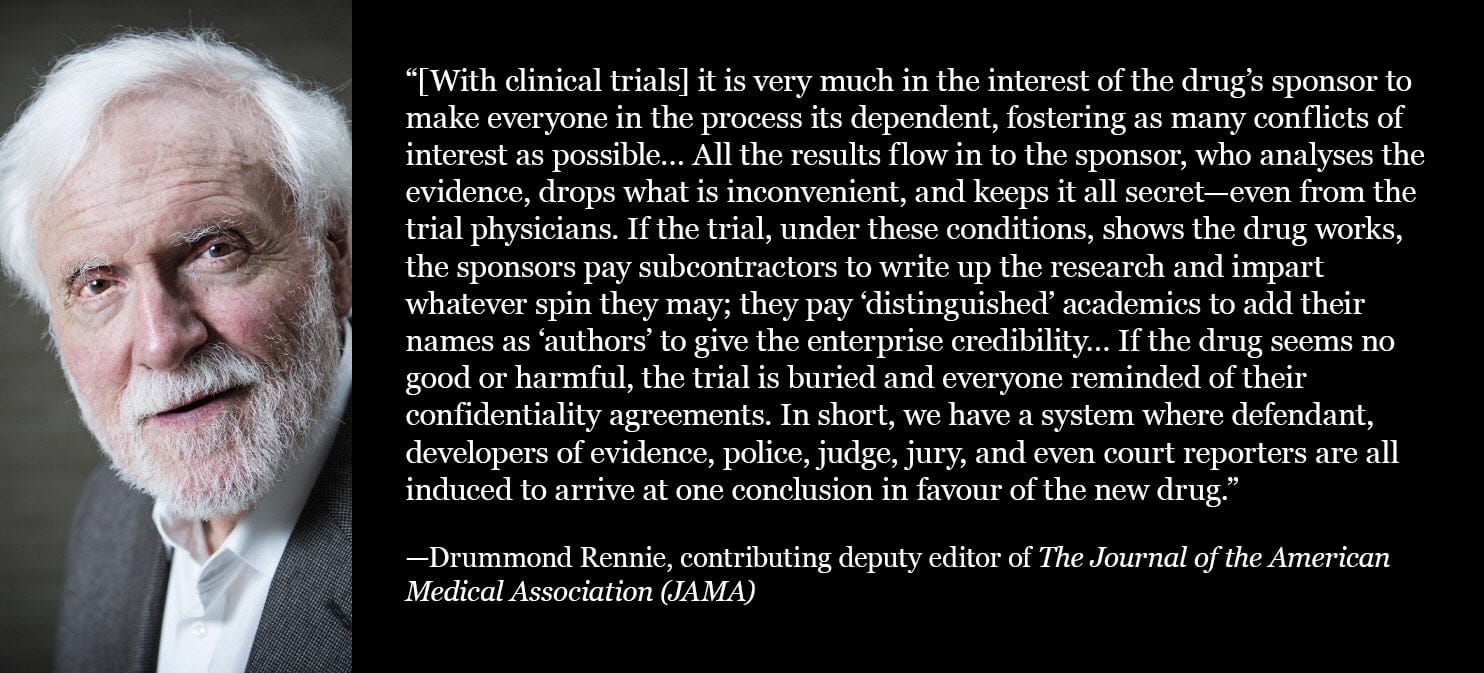
Drummond Rennie is a physician who has served as deputy editor of The Journal of the American Medical Association since 1986. He was previously deputy editor of The New England Journal of Medicine and is currently an adjunct professor of medicine at the University of California, San Francisco.
Richard Smith is a physician who served as editor-in-chief the British Medical Journal and chief executive of the BMJ Group from 1991 to 2004. He is currently director of the UnitedHealth Chronic Disease Initiative at Emory University and chair of the Cochrane Library Oversight Committee. He is also an honorary professor at Imperial College London and the University of Warwick, and a founding Fellow of the Academy of Medical Sciences.

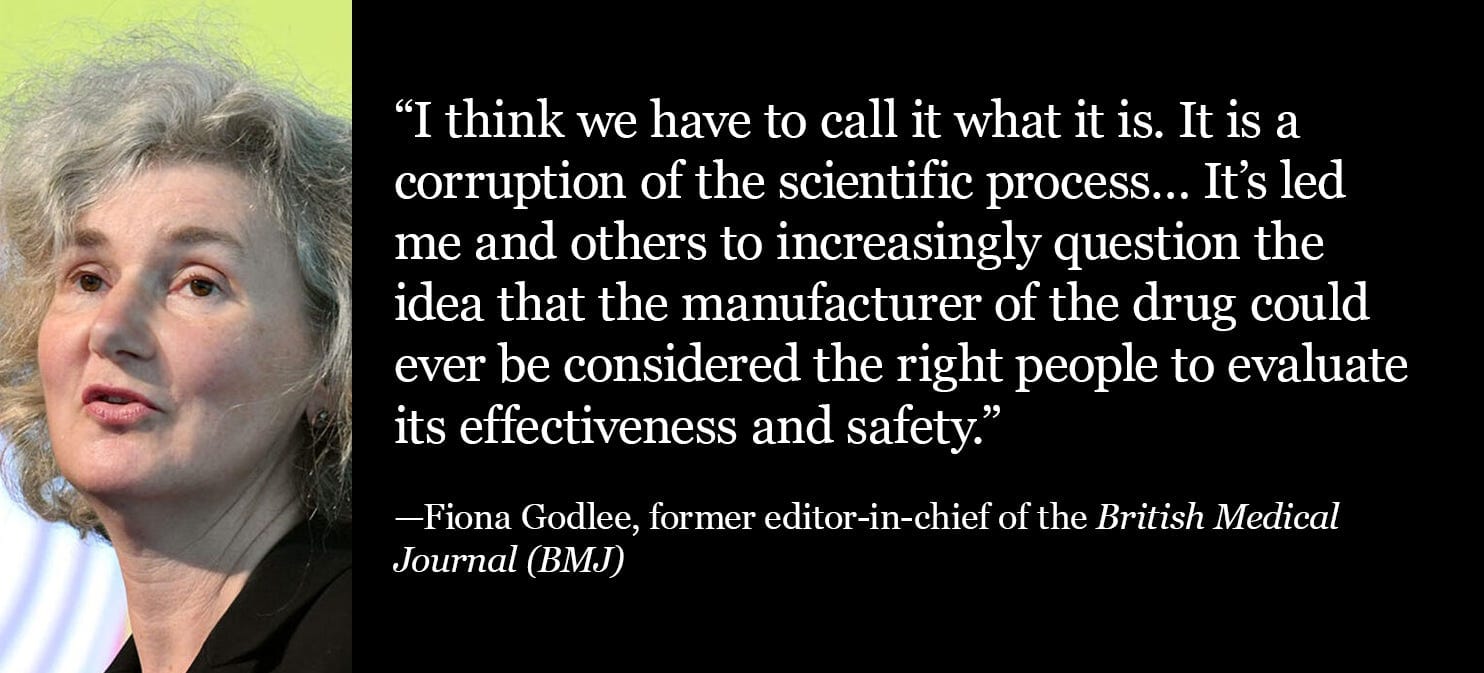
Fiona Godlee is a physician and former editor-in-chief of the British Medical Journal, where she served from 2005 to 2021. She is a Fellow of the Royal College of Physicians and holds honorary positions at the Netherlands School for Primary Care Research and the University of Cambridge’s Institute of Public Health.
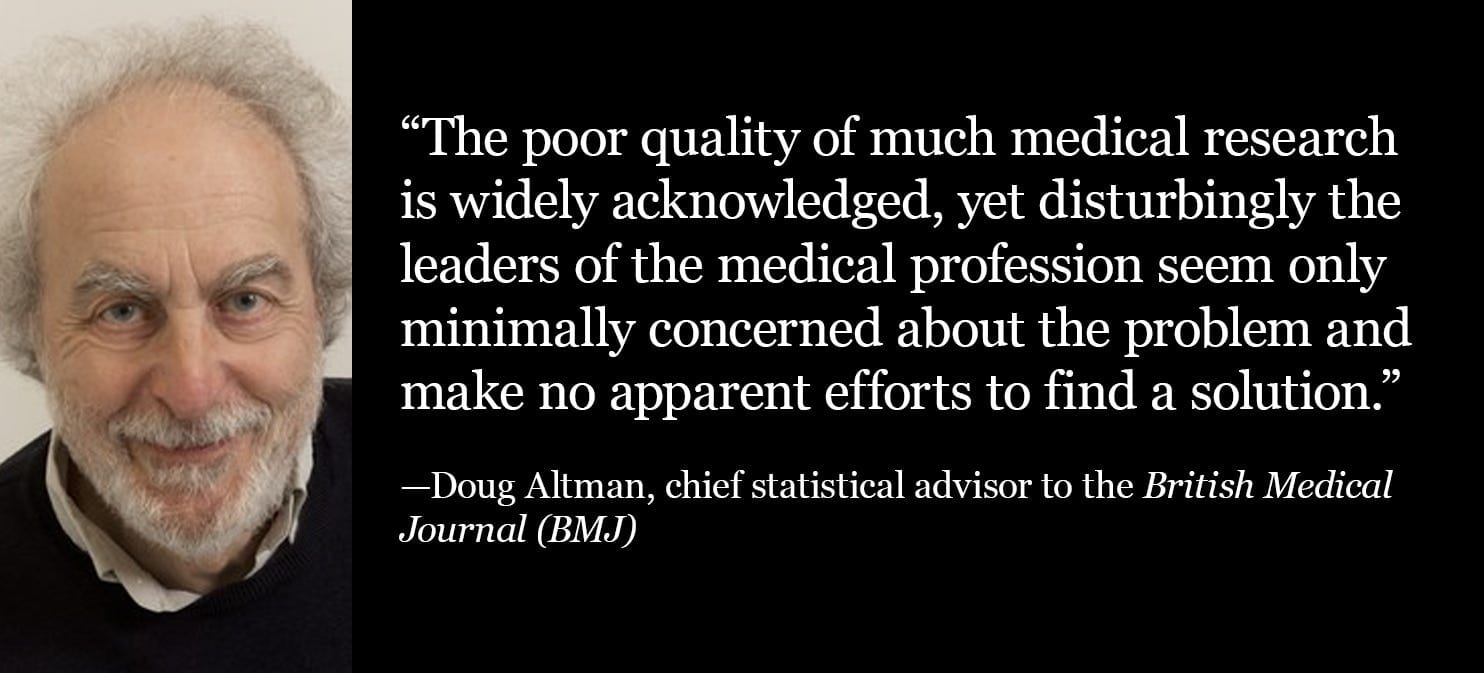
Doug Altman was a professor at the University of Oxford and founding director of the Centre for Statistics in Medicine. He was a leading expert in medical research methodology and statistical analysis. Altman also served as chief statistical advisor to the British Medical Journal and was editor-in-chief of the journal Trials. He was a Fellow of both the Academy of Medical Sciences and the Royal Statistical Society.
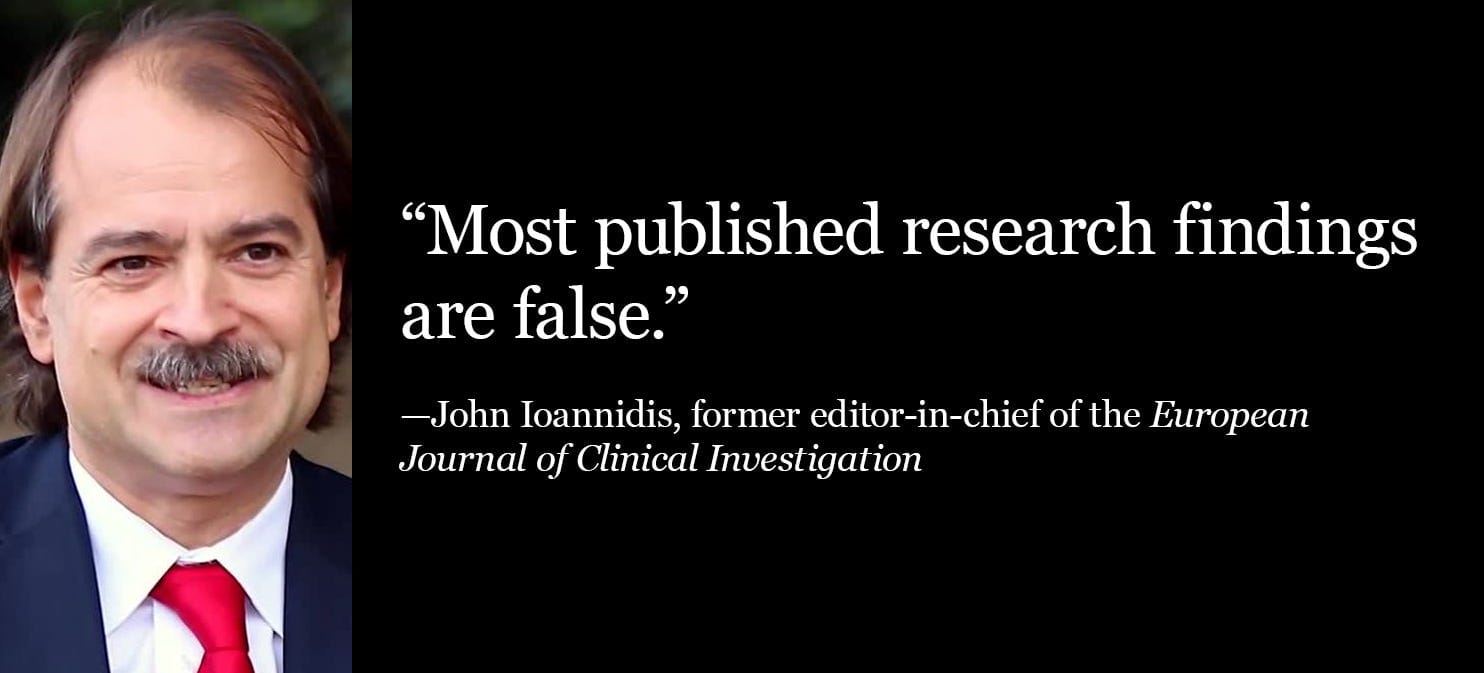
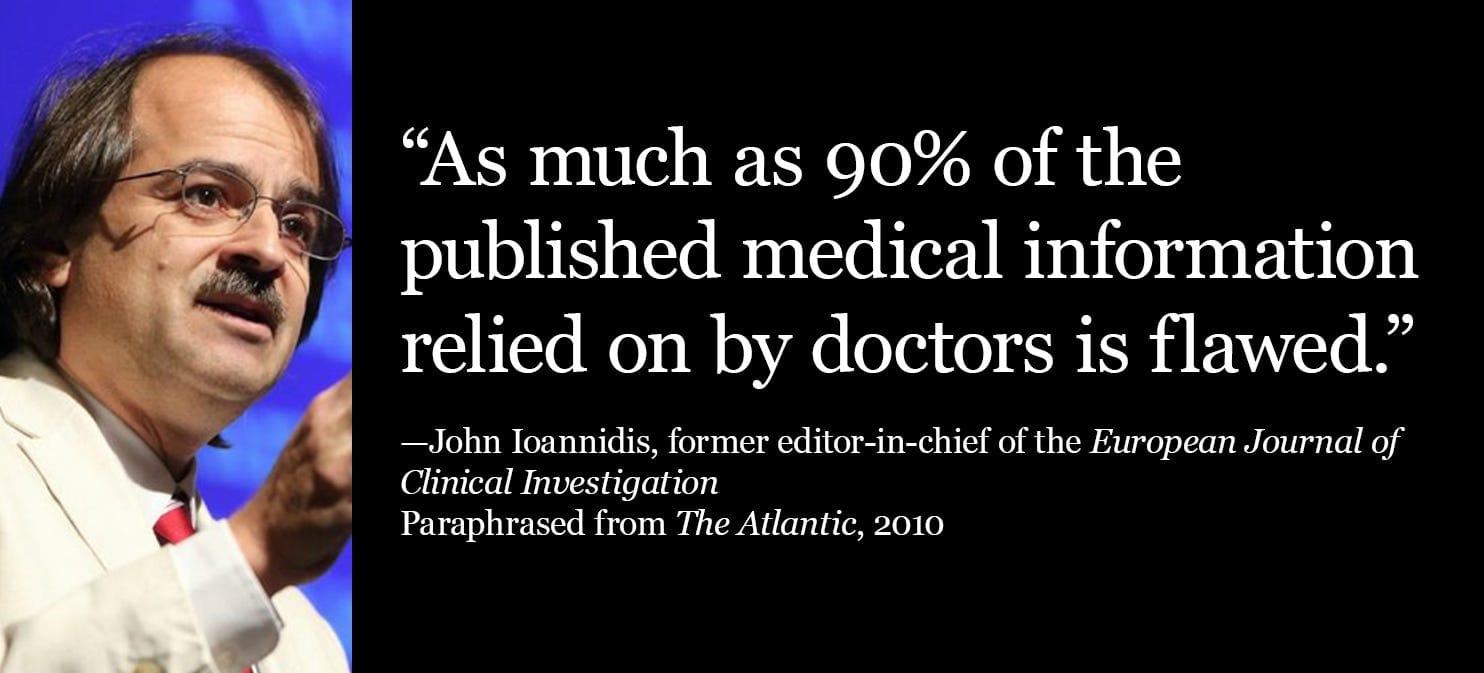
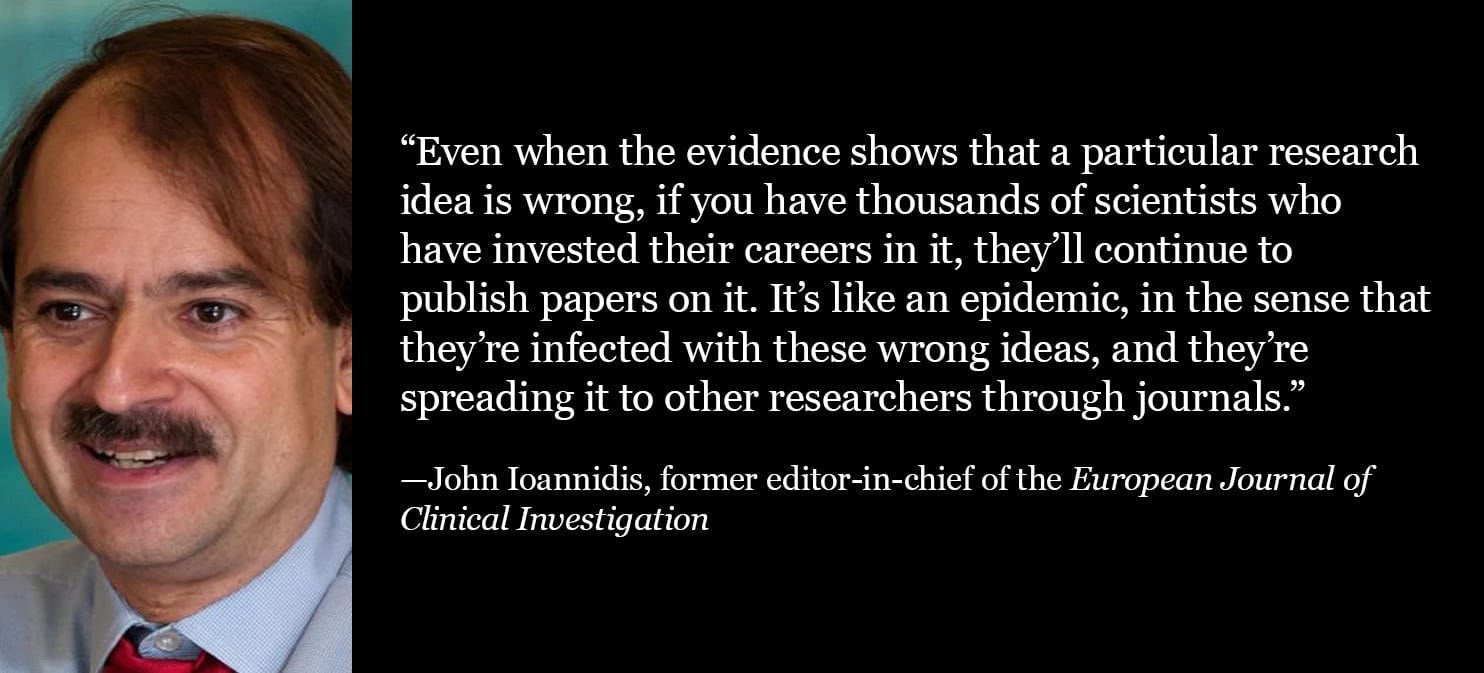
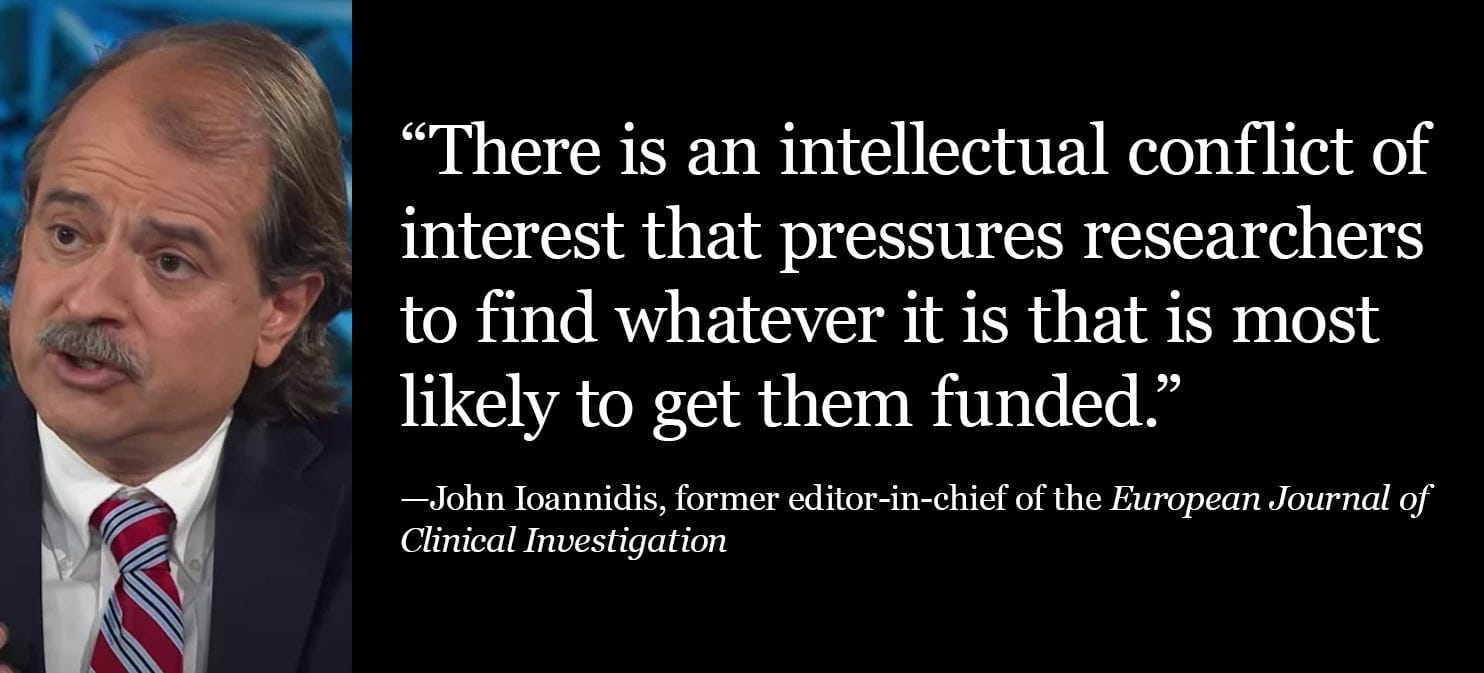
John Ioannidis is a physician and professor at Stanford University with appointments in Medicine, Epidemiology, and Statistics. Formerly chairman of the Department of Hygiene and Epidemiology at the University of Ioannina School of Medicine, he is a leading expert on research reliability and transparency. One of the most cited researchers in the world, he holds an h-index of 239 (Google Scholar, 2023). Ioannidis has served on the editorial boards of over twenty journals, including JAMA, The Lancet, and JNCI, and was editor-in-chief of the European Journal of Clinical Investigation.
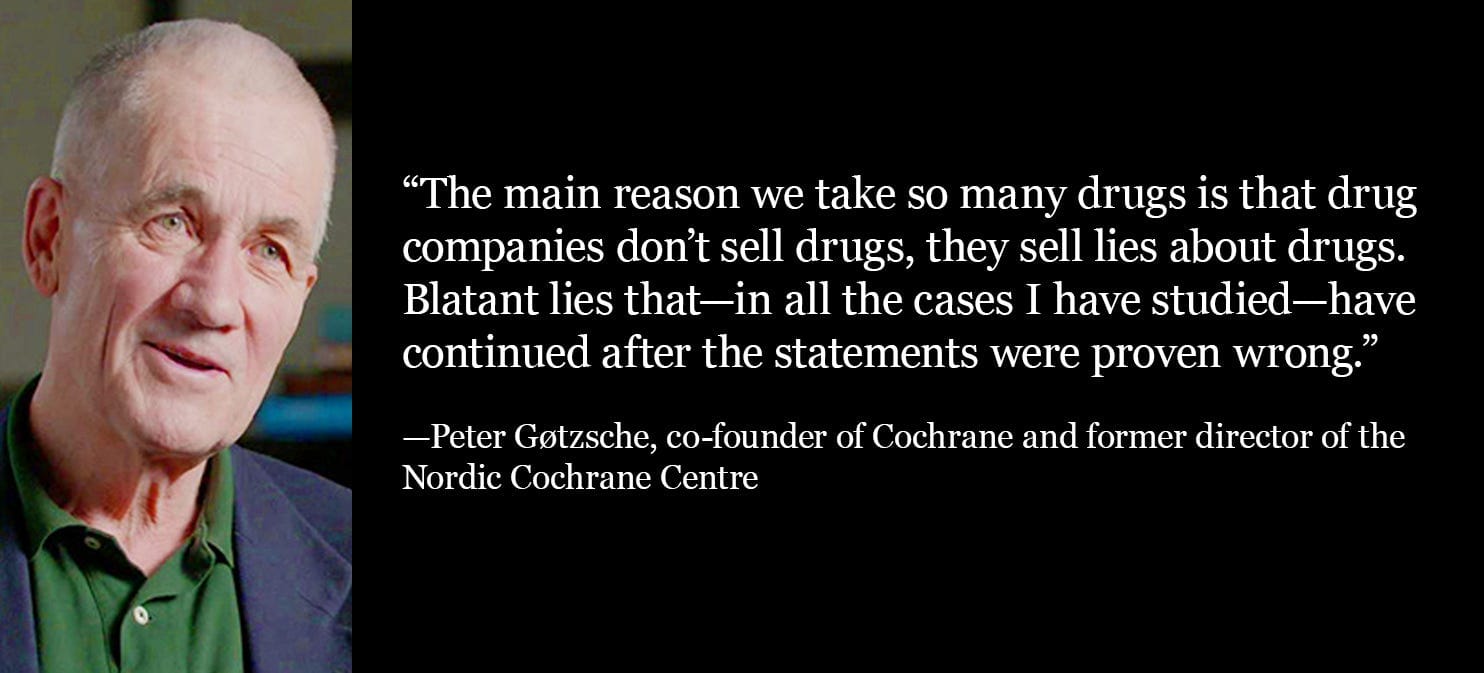
Peter Gøtzsche is a physician, co-founder of the Cochrane Collaboration, and former head of the Nordic Cochrane Centre, which he led from 1993 to 2018.
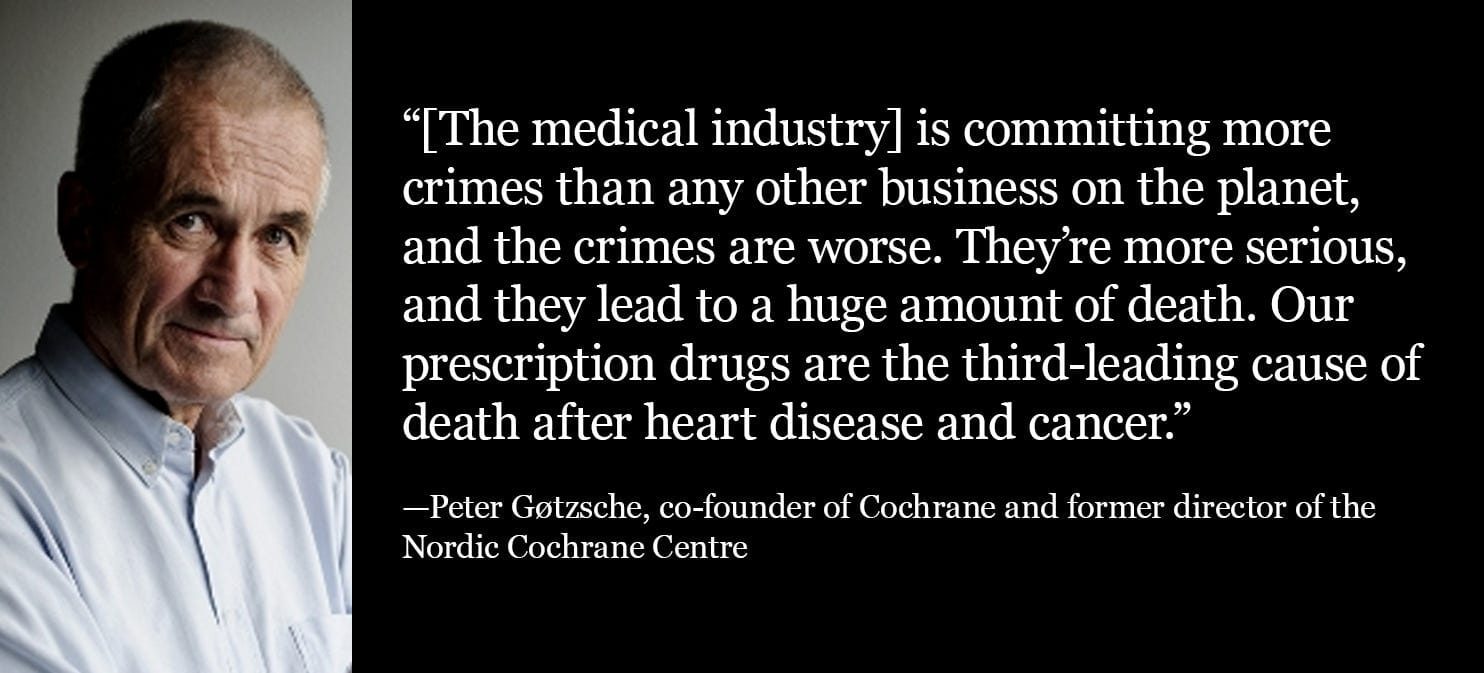
These insiders had little to gain and much to lose by making these admissions. It’s easy to defend a system that handsomely rewards you—much harder to publicly denounce the very machine you’ve spent your career supporting.
For those who want to know in more detail how so much of modern medicine is built on fraud and unreproducible junk, here is most of Dr. Wojak’s full breakdown article:
Most of the Published Research Is Junk
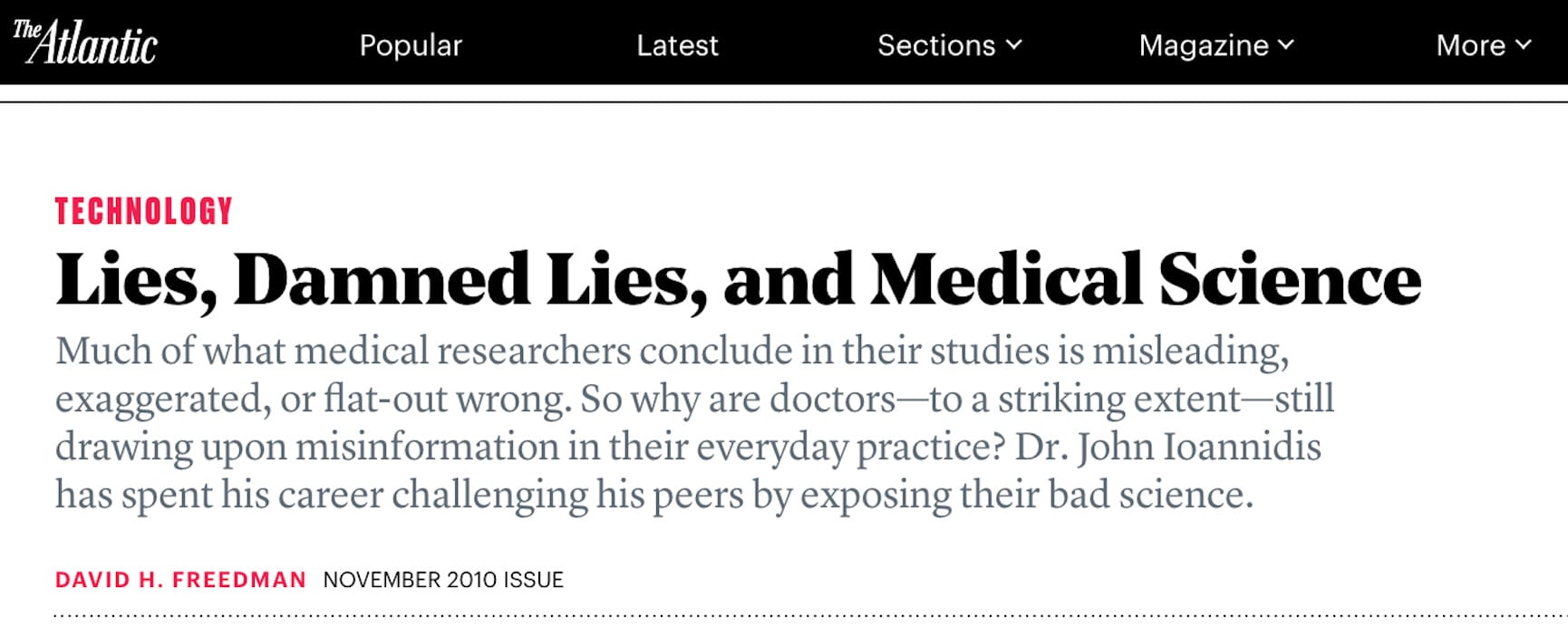
If research can’t be reproduced, it isn’t science—it’s storytelling. Most of academia suffers from a reproducibility crisis (where follow-up studies fail to confirm the original results), but in medicine, fake science doesn’t just mislead—it kills.
Millions of studies flood the literature each year—including over 10,000 retractions in 2023 alone. And that’s just the tip of the iceberg. Most bad research isn’t retracted. It just lingers—polluting the knowledge base and misinforming generations of doctors, policymakers, and patients.
The Replication Crisis

Just how bad is the replication crisis?
Ioannidis (2005) examined 45 blockbuster clinical studies—the kind published in elite journals and cited over a thousand times. Only 20 (44%) were later replicated; the rest were either contradicted, overstated, or never tested again—meaning doctors routinely base treatments on dubious, unverified research.
Prinz et al. (2011) evaluated 67 preclinical drug studies. Only 14 (21%) were reproducible. These are the very studies used to greenlight billion-dollar drug trials.
Begley and Ellis (2012) tried to replicate 53cancer studies. They succeeded with just 6 of them. That’s 11%.
Boekel et al. (2015) assessed 17 neuroimaging studies. Only 1 replicated. That’s 6%.
The problem isn’t limited to obscure journals. This is the mainstream medical literature—the very foundation of so-called “evidence-based medicine.” And most of it is irreproducible or unverified.
The reproducibility crisis is so severe that 90% of researchers acknowledge it—and the rest are either lying or deeply delusional.
Conflicts of Interest at Every Level
Medical Journals
The revenue of medical journals depends heavily pharmaceutical companies, mainly through advertising and reprint purchases—arrangements that resemble bribes more than legitimate business transactions.
In typical advertising, the goal is to inform potential customers about a product. But in medical journals, pharmaceutical ads serve as financial incentives designed to influence editorial decisions. Similarly, reprints (purchases of specific articles by drug companies) are essentially bribes that influence which studies get published. Without lucrative reprint orders from pharmaceutical companies, medical journals would struggle to stay afloat.
When drug companies want their studies published, they often offer substantial reprint orders if the paper is accepted. A favorable study in a high-impact journal is much more valuable than an ad—it becomes a tool doctors use to justify pushing drugs on patients. Doctors serve as the primary sales force for the pharmaceutical industry, and the junk published in these journals is their ammunition.
In May 2003, BMJ’s cover depicted doctors as pigs feasting at a banquet, being served by lizard drug reps. This spot-on portrayal struck a nerve, prompting pharmaceutical companies to retaliate by threatening to pull £75,000 in advertising. Similarly, the Annals of Internal Medicine lost an estimated $1-1.5 million in ad revenue after publishing a study critical of industry advertisements.
As for reprints, even The Lancet—Europe’s most prestigious medical journal—admitted that 41% of its revenue comes from selling reprints. If The Lancet is willing to admit this, it’s safe to assume that the situation is even worse at top US journals, which refuse to disclose their numbers.
The financial stakes are staggering. A 2005 report revealed that publishing a favorable paper could be worth up to £200 million to a pharmaceutical company, with a share of that money flowing into the pockets of doctors who promote the company’s products.
The corruption spans the entire gamut of medical journals—from the most prestigious to niche specialty publications. Transplantation and Dialysis rejected an editorial critical of a drug after three peer reviews—not due to scientific merit, but because its marketing department overruled the editors. Smaller specialty journals are often even more entangled with pharma, regularly publishing industry-sponsored symposia filled with brand names, and crafted to sell products. In one infamous case, Merck created an entire journal itself, packed with ads and favorable articles, dressed up to look like independent research.

New book by Etienne de la Boetie2 exposes that the government and Hollywood have been running a multi-generational, trillion-dollar psychological operation on the population to indoctrinate them into accepting a ruling class, confiscatory taxation, and inflationary fractional reserve currency issued by private banks.
The book details 25 unethically manipulative techniques the “government” and monopoly media have been secretly using on the population, ranging from a hidden curriculum in their mandatory schools and scouting to the secret placement of propaganda in over 1,000+ movies and 1,000+ television shows. These techniques include subliminal messages and product placement of the American flag “anchored” to moments of high-positive emotion during the “programming”.
See the Press Release with more details HERE.
Buy the book at SeeTheCage.com
Substack readers can get the book for FREE by “Going Paid” to ANY of the Art of Liberty Foundation’s four Substacks AND get access to all four of those Substacks! Simply “Go Paid” and we will reply with details.