

Spain, Ireland and the Netherlands boycotting the Eurovision Song Contest due to Israel’s inclusion in the competition is only the latest attempt to “cancel” the Jewish state over its war against Hamas.
Indeed, only this week, it emerged that Guinness World Records had informed the Matnat Chaim charity that its plans to bring together 2,000 people to donate kidneys couldn’t become an official record because it is an Israeli organisation. The London-based organisation claimed this was fair, as it was also banning submissions from the Palestinian territories unless they were done in co-operation with the UN (an organisation with which Israel now refuses to work due to perceived bias).
Guinness World Records justified its policy on the basis of “just how sensitive this is at the moment”.
“Sensitivity” has become a familiar refrain, as Israel has been cancelled by individuals and organisations in almost every area of public life since Hamas’s attack on the country on Oct 7 2023.
Academia
The Boycott, Divestment, Sanctions (BDS) campaign against Israel has been going strong for more than 20 years in academia, led by the University and College Union, which represents lecturers, but it took on a new momentum after the Israel-Gaza war started in 2023.
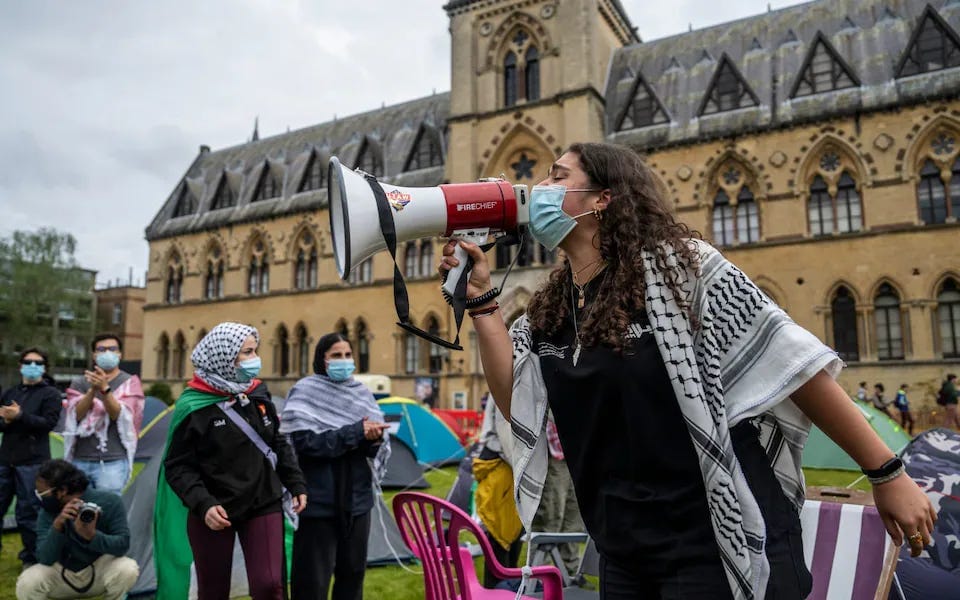
In general, the attempted boycotts have not worked in the UK, but in Europe, it is a different story. Universities in Belgium, the Netherlands, Italy and Spain have increasingly voted to suspend agreements with Israeli institutions.
Emmanuel Nahshon, head of an Association of Israeli Universities task force to combat academic boycotts, told The Times of Israel that his organisation tallied 300 instances of boycotts in the year following the Oct 7 attacks, and a year later, that number had more than doubled to 700. This includes boycotts on individual researchers, as well as restrictions on those working with institutions.
In other cases, known as “shadow boycotts”, universities simply stop working with Israeli researchers or avoid engaging in joint projects without giving any reason.
Academic groups are also turning on Israel. In June, the UN-founded International Sociological Association suspended the membership of Israeli public institutions. In September, Israeli archaeologists were told by the European Association of Archaeologists that they would be allowed to attend the organisation’s annual meeting only if they hid their affiliations with Israeli universities, The Times of Israel reported. The association later apologised for its “misjudged” demands.
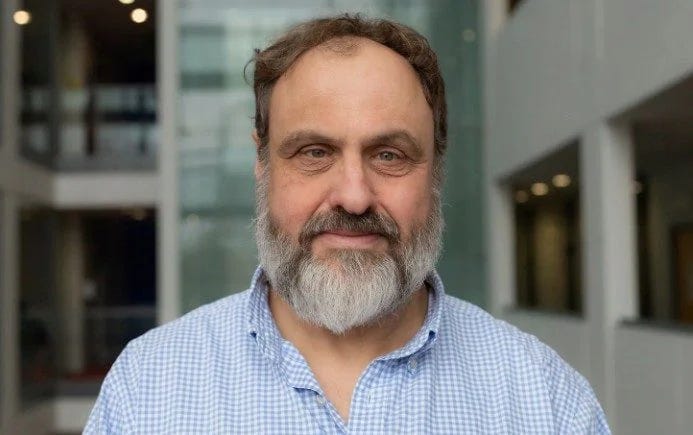
Israeli and Jewish academics have faced harassment at British universities – the most prominent case saw City University professor, Michael Ben-Gad, coming under siege from student activists for once being in the Israel Defense Forces.
Military
The BDS movement in particular has pushed for big funds – such as pension and council savings – to divest from Israeli military firms, and it has had some success.
Spain initiated a ban on arms exports to the Jewish state on Oct 7 2023, even as Israel was being attacked. Other European countries to impose complete bans on the export and import of arms and military equipment to Israel include Slovenia, Belgium and Norway, although the EU still works with Israel.
In January this year, a collection of 12 countries from the Global South formed to coordinate legal, diplomatic and economic measures against Israel, including a comprehensive arms embargo. The 12 countries which have signed up to these measures are: Bolivia, Colombia, Cuba, Indonesia, Iraq, Libya, Malaysia, Namibia, Nicaragua, Oman, Saint Vincent and the Grenadines and South Africa.
Several Western countries, including the UK, have imposed partial arms embargoes. In September last year, the Government suspended 30 out of 350 licences for arms exports to Israel, saying it was targeting military items used in the conflict. Others to have imposed partial bans include Canada, Germany, Italy, Japan, the Netherlands and, under Biden, the US.
Several countries have prevented Israeli companies from exhibiting at arms fairs – ostensibly because of the war. In June 2024, the French government banned Israeli defence firms from exhibiting at the Eurosatory fair, but legal action led to a partial lifting of this, with private Israeli arms companies allowed to exhibit. A year later, at the Paris Air Show, organisers concealed Israeli booths with black panels at the French state’s request.

In September this year, the UK Government barred an official Israeli government delegation from attending the Defence and Security Equipment International fair in London, but more than 50 individual Israeli defence companies were still permitted to exhibit. Meanwhile, Britain has banned Israelis from taking courses at the prestigious Royal College of Defence Studies. A Ministry of Defence spokesman said the decision was taken because “the Israeli government’s decision to further escalate its military operation in Gaza is wrong”.
Sport
The contentious decision to ban Maccabi Tel Aviv fans from attending its match against Aston Villa last month was partly down to an organisation called Game Over Israel, which has been campaigning to ban Israel from “the beautiful game” on the basis that it “is committing genocide and live streaming it to the world”.
Israel has faced attempts to ban it from sports ever since its creation in 1948, but the campaign was turbocharged after Oct 7, and has continued even with a ceasefire in place. Uefa is expected to discuss a call to suspend Israel from European football in the next few weeks, and has received a letter signed by more than 70 sports professionals including Paul Pogba and Hakim Ziyech, calling for a ban.
Meanwhile, the UN published a statement from a group of its experts claiming that suspending Israel from international football is “a necessary response to address the ongoing genocide in the occupied Palestinian territory”.
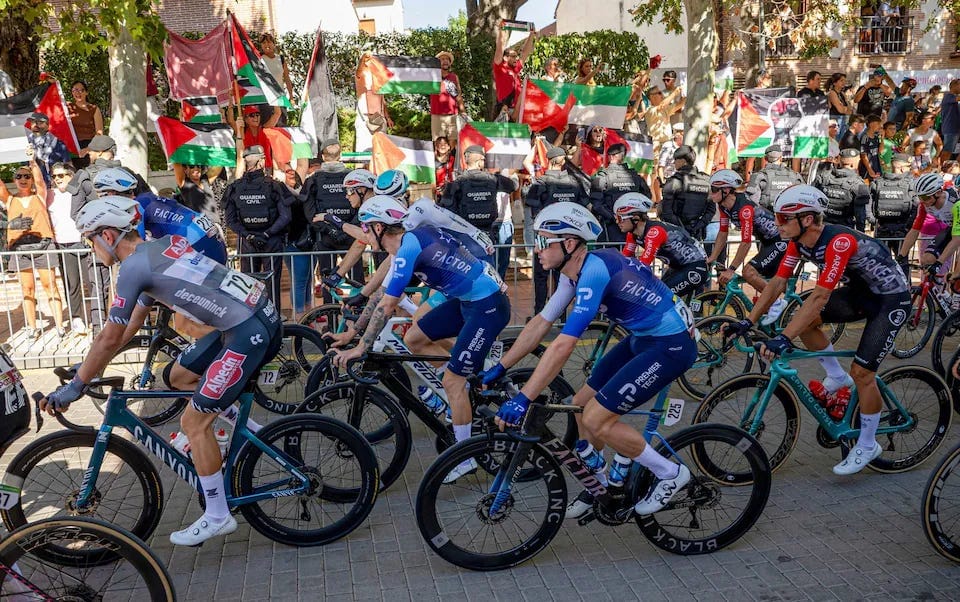
At the same time, the world of cycling has been rocked by demonstrations against the Israel-Premier Tech team, which was set up with backing from the Israeli government. Several stages of the Vuelta de España had to be abandoned earlier this year because of anti-Israel demonstrations. After the team, which did not actually have any Israeli cyclists, lost its sponsor, it announced a change of name, to NSN Cycling.
In April, a European netball competition due to take place in Cardiff was called off altogether after threats towards the Israeli team. Europe Netball said the decision was not taken “lightly but reflects our unwavering commitment to safeguarding our netball family and ensuring a positive experience for all”.
Israel excels in combat sports, but in August, the International Federation of Muaythai Associations banned its athletes from competing under an Israeli banner, sporting Israeli flags or having the national anthem played if they won.
In May, it was announced that Israeli gay rugby players – both Jews and Muslims – would be banned from the gay rugby union cup in Norway.
Retail
There has been a concerted effort to boycott any goods that have an association with Israel – from stores once owned by Jews, such as Marks and Spencer and Tesco, to Coca-Cola because it has a factory in Israel. Most of these have failed.
The only supermarket to have actually banned Israeli goods is the Co-op, which announced it would stop sourcing goods from Israel, Iran, Russia, Afghanistan and 13 other countries where, it said, there are “internationally recognised” rights abuses.
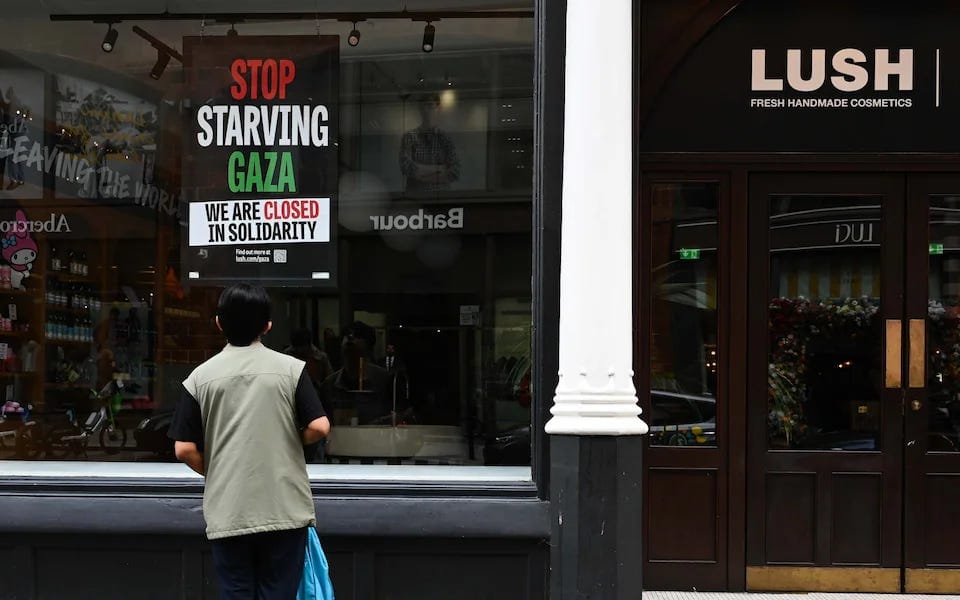
Scented-soap shop, Lush, managed to garner many headlines when it closed its UK stores and factories in September to protest against “the starvation of Gaza”.
Britain and other countries have shown their disapproval – or not – of Israel’s war against Hamas with their stance on whether Israel’s prime minister, Benjamin Netanyahu, should be arrested for war crimes.
Labour has indicated that it would adhere to the arrest warrants issued by the International Criminal Court for Netanyahu and his former minister of defence, Yoav Gallant – in contrast to the Conservatives, who described the ICC’s move as “deeply unhelpful”.

Want to give some gifts that will be remembered for years to come and help your friends, family and colleagues better understand the scam of “Government?”
Happy Holidays from the Art of Liberty Foundation! Get 20% off until December 12th using the discount code: Liberty20, 15% off from December 13th-16th using the discount code: Liberty15, and 10% off from December 17th until Christmas using the discount code: Liberty10!
Shop for unique books and gifts now at ArtOfLiberty.org/Store
The discount brings the price per copy down to under $10 for books and flash drives in our “Friends Bundles”!


