
Etienne Note: Suicide isn’t just a problem in the Chair Force.. It is across the services. We have covered Marine Drill Instructors who have also been hit incredibly hard. I blame the organized crime “government” for running the unethically manipulative techniques I describe in To See the Cage Is to Leave It – 25 Techniques the Few Use To Control the Many. Many of these techniques are used to create stone-cold killers and many of the troops realize what they have been a part of and have to deal with the remorse. Many of these classic “cult-creation techniques” produce higher than average suicides in other unethically manipulative cults that ask their adherents to suspend their individuality and don the Uni-Form and Shave their heads….
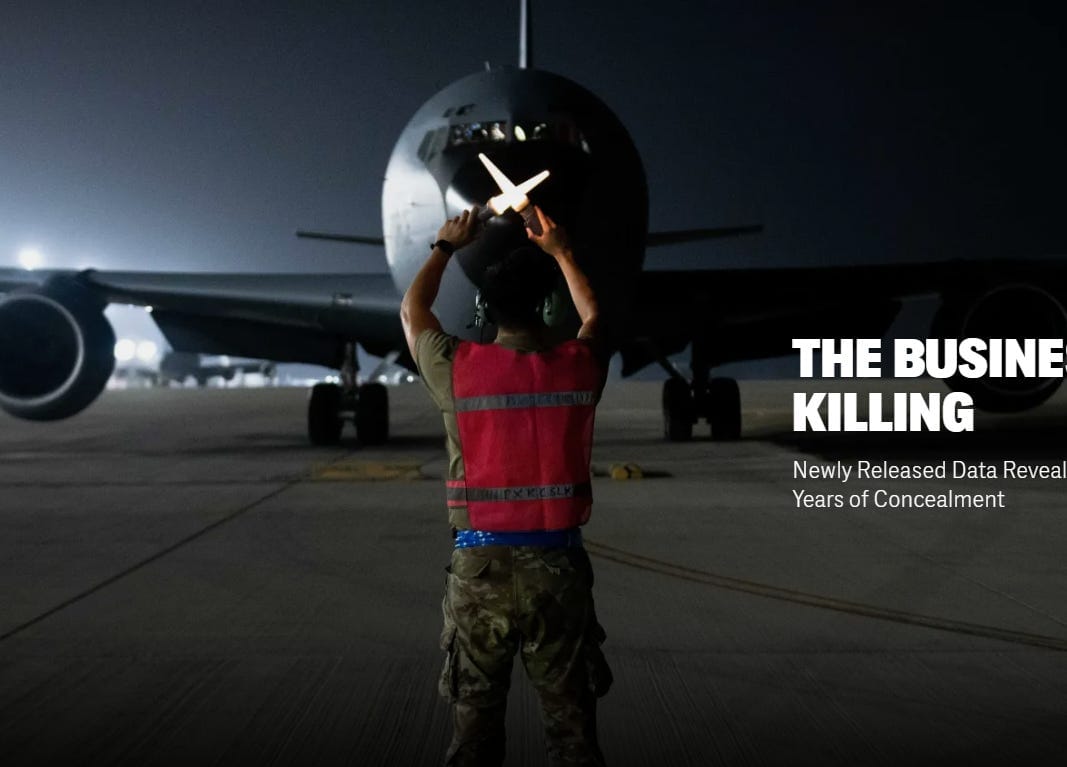
Staff Sgt. Quinte Brown never showed up for dinner. It was a monthly ritual he kept with his friends in the Air Force — tacos and tequila — meant to remind each other that they were still human. Brown was always early, the one who helped cook, played with the kids, and stayed late to clean up. But on that cold Sunday night in January 2023, his friends kept checking their phones, wondering where he was. For someone as steady as Brown, an unexplained absence was unusual.
One of Brown’s friends offered to stop by his townhouse before heading over. The door was unlocked. The lights were off. On speakerphone with the others, he searched the house, then stepped outside and looked through the window of Brown’s car. He found him sitting in the driver’s seat, dead from a self-inflicted gunshot wound. Everyone on the call heard the moment he realized what he was seeing. On the other end of the line, several friends fell to their knees sobbing.
Brown’s death was one of hundreds in the past decade that the Air Force has quietly logged and filed away as another isolated tragedy. While Defense Secretary Pete Hegseth obsesses over the supposed “softening” and “weakening” of American troops, the Pentagon is concealing the scale of a real threat to the lives of his military’s active-duty members: a suicide crisis killing hundreds of members of the U.S. Air Force.
Data The Intercept obtained via the Freedom of Information Act shows that of the 2,278 active-duty Air Force deaths between 2010 and 2023, 926 — about 41 percent — were suicides, overdoses, or preventable deaths from high-risk behavior in a decade when combat deaths were minimal.
This is the first published detailed breakdown of Air Force suicide data. The dataset obtained by The Intercept, formatted in an Excel spreadsheet, lists airmen’s deaths by unique markers known as Air Force Specialty Code and cause, including medical conditions, accidents, overdoses, and violent incidents. Gunshot wounds to the head and hangings appear frequently.
While it’s long been known that members of the U.S. Armed Forces often struggle with their mental health during or after service, the Department of Defense has historically been obstinate in its refusal to supply detailed data on suicides. In 2022, the National Defense Authorization Act mandated the Defense Department to report suicides by year, career field, and duty status, but neither the department nor the Air Force complied. Congress has done little to enforce thorough reporting.
The dataset obtained by The Intercept contradicts many of the Air Force’s previously released statistics and statements about mental health, resilience, and deployment readiness. It shows a troubling pattern of preventable deaths that leaders at the senior officer level or above minimized or ignored, often claiming that releasing detailed suicide information would pose a risk to national security. Speaking to The Intercept, current and former service members described a fear of bullying, hazing, and professional retaliation for seeking mental health treatment.
“That was always the fear going to mental health: ‘I’m going to get pulled off the flight line. Everyone’s going to look down on me,’” said former Sgt. Kaylah Ford, who was Brown’s girlfriend before his death. “It always had that negative stigma.”
Brown and Ford were both Air Force maintainers, the aircraft mechanics who keep the Air Force’s planes flying. Of the 926 airmen who died by suicide and other preventable measures, 306 were maintainers, according to The Intercept’s analysis. These troops represent the largest single career field in the Air Force, according to the Government Accountability Office, but they account for only a quarter of Air Force personnel — and a third of suicides and preventable deaths.
The Intercept reviewed the dataset line by line, identifying deaths likely to be suicides or overdoses and cross-checking them with Centers for Disease Control and Prevention classifications and medical classifications. Among maintainers, 250 were confirmed suicides, 45 were drug overdoses, and 11 were other preventable deaths with unclear intent, with causes including autoerotic asphyxiation. These causes of death — whether from outright suicide, drug use, or other life-risking behaviors — all point to deep psychological distress, according to Dr. Sally Spencer-Thomas, a clinical psychologist with 20 years of experience in suicide prevention research,
“Addiction and suicide are deeply intertwined,” Spencer-Thomas said. “Many people use substances to cope with emotional pain or stress because it works in the short term, but over time, dependence sets in, and the fallout spreads through their health, relationships, and sense of hope.”
The Intercept reviewed more than two decades of government-funded studies and GAO reports and interviewed 16 Air Force maintainers from multiple major commands for this investigation. The reporter of this story is a former Air Force maintainer.
“Aircraft maintenance is a grinder,” said former Air Force Capt. Chuck Lee, who served as a maintenance officer for nine years before transferring to the Army and has since retired. While most maintainers rarely see combat, the field is known for an unsustainable work tempo, with airmen often working 10- to 16-hour shifts for years in high-risk environments. The constant exposure to toxic chemicals and the deafening sound of fighter jets can cause chronic health problems, inflaming the work’s psychological toll.
The evidence points to structural failures and systemic negligence across Pentagon and Air Force leadership. During two major periods of restructuring — known as the 2013–14 sequestration and the 2019 readiness plan — the Air Force consolidated jobs, leaving fewer troops to maintain the fleet while flight demands remained the same. Both times, suicides increased.
Experts like Spencer-Thomas say that instability and uncertainty during such transitions can heighten suicide risk.
Now, another round of consolidation is coming. The Air Force plans to consolidate more than 50 aircraft maintenance specialties into seven starting in 2027, according to an Air Force memo made public earlier this year. A senior compliance leader with nearly two decades in the Air Force who requested anonymity for fear of professional reprisal called the move “do more with less on steroids,” raising concerns that the next wave of reforms could contribute to a rise in suicides.
“You know the phrase ‘Mission first, but people always’?” said Lee, referring to a common military slogan. “To the Air Force, maintainers are just a crowd of nameless, faceless people. Their job is to scurry about and get the planes ready. Leadership doesn’t care as long as the aircraft can fly. It’s just mission first.”
In a statement to The Intercept, a Department of the Air Force spokesperson said the service “takes a comprehensive, integrated approach to increase protective factors and decrease suicide risk,” citing peer support programs such as Wingman Guardian Connect, unit-level resilience programs that encourage Airmen and Guardians to reach out for support, and new post-suicide guidance for commanders. The spokesperson noted the guides were recognized as best practices by the Defense Department’s Suicide Prevention and Response Independent Review Committee and recommended for use across all services.
But the 16 Air Force maintainers unanimously agreed that the current protections are insufficient, and in some cases actively harmful.
“Mental health in the military is a joke if you don’t take it into your own hands,” said former Senior Airman Azhmere Dudley. “If I had gone through the proper chain of command and hadn’t just signed myself up for treatment, I would be screwed right now.”
Every maintainer who spoke to The Intercept said they had lost a friend or unit member to suicide, overdose, or a tragic accident before their first enlistment ended, often before age 22.
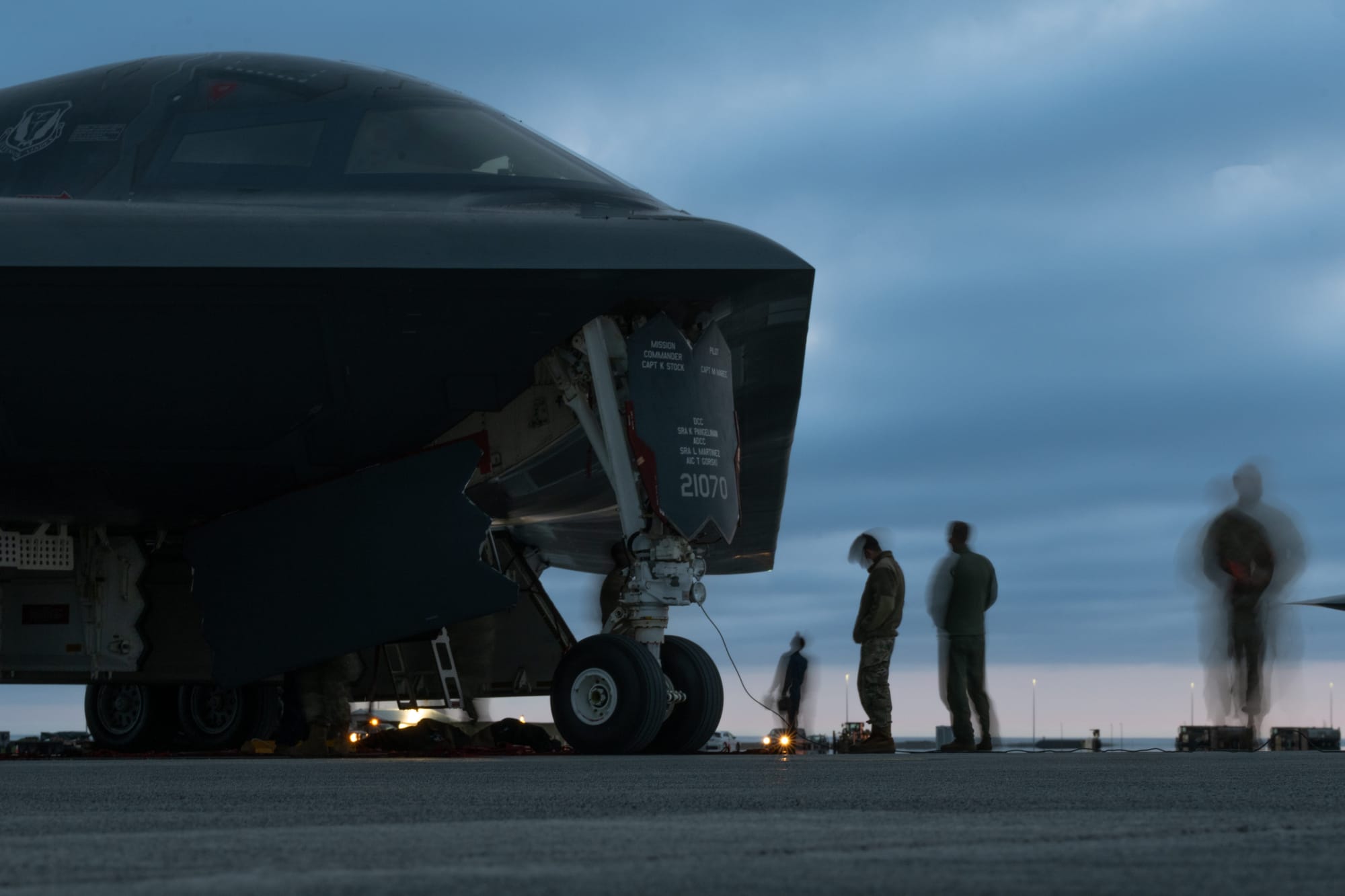
This is the experience of working on a flight line, the heart of every Air Force base, where planes park for service and between missions. Often tucked away behind fences and danger signs, the troops on the flight line rarely face the enemy up close or carry rifles in combat. By Hollywood or Hegseth’s standards, they would seem to have one of the safest roles in any branch.
The common assumption that combat-related post-traumatic stress disorder is the primary driver of military suicides would seemingly put maintainers at a lower risk. But their disproportionately high share of suicides and overdoses tells a different story. Nearly 55 percent of maintainer deaths between 2010 and 2023 were the result of suicide or overdose, more than deaths from car accidents, medical conditions, and workplace mishaps combined.
Maintainers face constant exposure to chemicals, irregular schedules, and extreme noise. Fighter jets can reach 195 decibels during takeoff — far above the Air Force’s hearing conservation limits of 85 decibels over eight hours on shift and the 140-decibel threshold for impulsive noise, which are brief bursts of sound powerful enough to cause instant hearing damage. Even with double hearing protection, vibrations can shake internal organs.
“For maintainers, working 12-hour shifts was the norm. Shifts could extend up to 16 hours with approval from the group commander or the first general officer in the chain, which was almost always granted,” Lee said. Unit leaders would assign the extended shifts to meet maintenance and flight goals, and maintainers had little choice but to comply. All other maintainers interviewed for this story agreed with Lee’s account.
Although double ear protection is meant to guard against extreme sounds, some fighter jets, namely F-16s, produce a high-pitched whine so intense it pierces the double ear protection. Maintainers describe it as feeling like the sound is piercing their skull from the mouth up and ripping off the top of their head. Researchers have also raised concerns about infrasound: low-frequency jet engine vibrations that may resonate with human tissue and contribute to fatigue or stress. Mostly studied outside the military, infrasound’s effects have received little research under real flightline conditions.
Every maintainer interviewed reported chronic health problems, including insomnia, headaches, digestive issues such as irritable bowel syndrome or constipation, memory lapses, attention deficits, depression, anxiety and, in rare cases, psychosis. Many of these symptoms mirror those seen in traumatic brain injuries or blast exposure.
“I am going through my disability claims, and part of it is anxiety with panic attacks. I get severe anxiety now that I did not have before,” said former Staff Sgt. Dallas Sharrah. He described a recent experience at a grocery store, where he exploded in anger at a shopper who bumped into his shopping cart with his small child inside. He said his anger was extreme and shockingly out of character, leaving him confused and embarrassed.
“Some days,” Sharrah said, “I don’t want to get out of bed because I don’t know how the day will go.”
Combined with chemical exposure and long shifts, maintainers are also exposed to toxic substances, including JP-8 jet fuel and chaff, which involves releasing clouds of tiny metallic strips from an aircraft to confuse enemy radar and protect the aircraft from detection or missile targeting. Inhaling chaff can be fatal, as the tiny metallic or fiberglass fibers can shred lung tissue, causing severe respiratory distress or hemorrhaging.
The Occupational JP-8 Exposure Neuroepidemiology Study, released in 2011, found that JP-8 can slow reaction times, cause chronic neurological impairment, sleep disturbances, irritability, and depression-like symptoms. A 2005 study, “Dermal Exposure to Jet Fuel (JP-8) in U.S. Air Force Personnel,” confirmed that JP-8 can be absorbed through the skin and detected in the bloodstream. All the maintainers who worked on the active flightline said they experienced near-constant exposure, with fuel sometimes pouring into their ears, mouth, or onto their skin for entire shifts.
Air Force enlistment contracts typically last four years, with an option to extend to six. Maintainers interviewed painted a picture of such intense suffering and mental anguish that, for some, suicide seemed more bearable than serving four years in that environment.
“We had an airman who tried to take his own life multiple times,” said former staff Sgt. Michael Hudson. “In one instance, he was found unconscious in his dorm after swallowing an entire bottle of Tylenol. A few months later, he was found walking along train tracks, saying he wanted to lay down in front of a train.”From 2010 to 2023, active-duty maintainers had a suicide rate of 27.4 per 100,000 personnel, nearly twice the 14.2 per 100,000 among U.S. civilians — a 1.93 times higher risk. FOIA records show the most common methods were self-inflicted gunshot wounds to the head and hanging. Other methods included sodium nitrite ingestion, helium inhalation, and carbon monoxide poisoning.
In the days before his death, Brown had been breaking under the weight of exhaustion and expectation, Ford told The Intercept. His squadron had switched his schedule three times in as many weeks, bouncing him from day to nights with little sleep between. He asked for help, or even a short break, but his leadership brushed him off. He was the reliable one.
“He was a perfectionist. He never made a mistake,” Ford said, Then he did: During a routine engine run, he left a flashlight inside the intake of a fighter jet and shredded the engine. It was the kind of error that ends a career.
“He blamed himself completely,” Ford said. “We all knew that would eat him alive.”
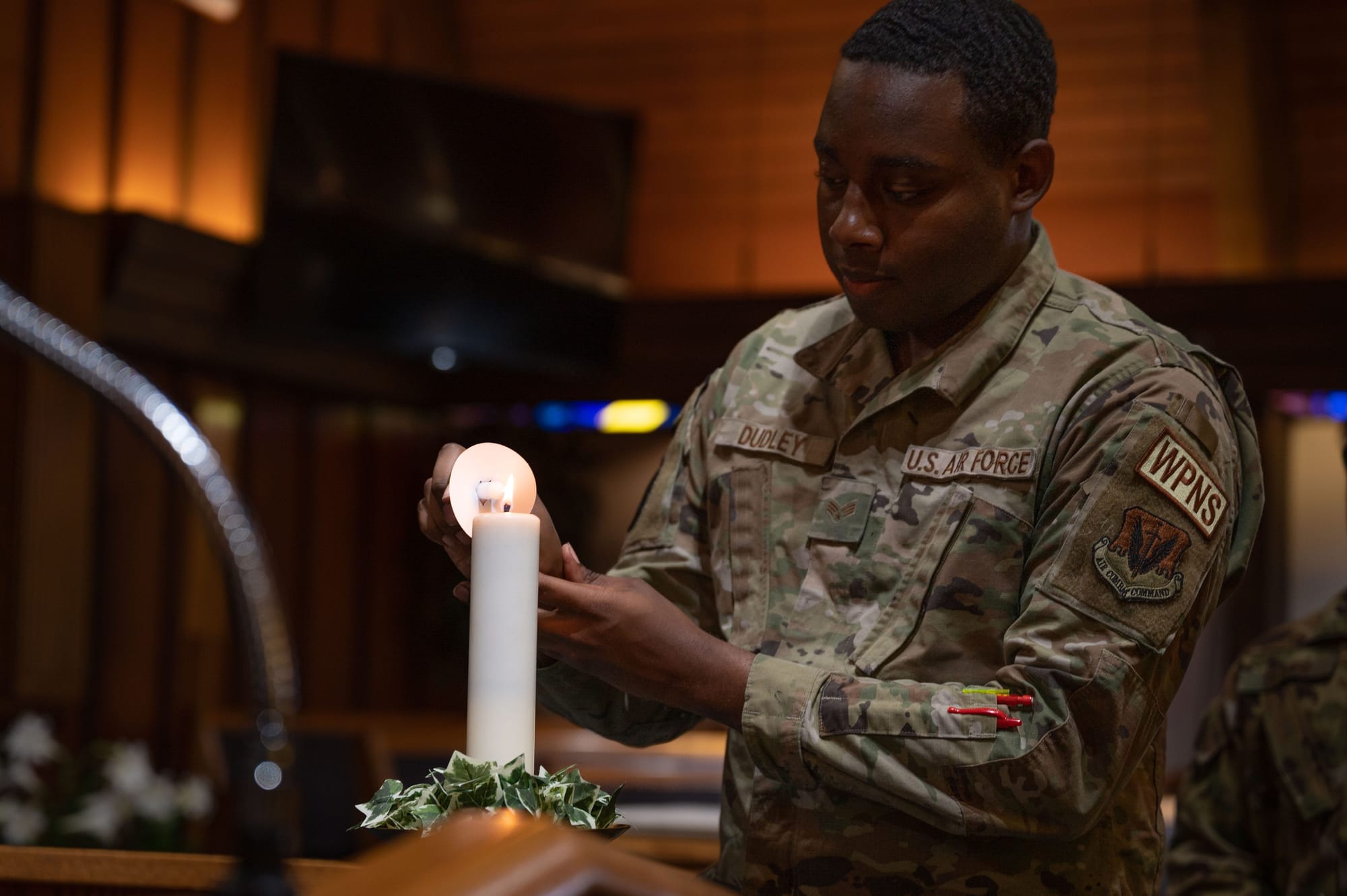
After dudley, the former senior airman, spoke up by questioning leadership about how personnel dealing with mental health conditions were treated, he soon found himself struggling too. Dudley said he often fell asleep in his car outside his unit at Nellis Air Force Base or dozed off behind the wheel, citing extreme fatigue from overnight shifts — known in Air Force parlance as “mids” — that he believes leadership had assigned as punishment.
Maintainers in good standing with unit leadership can often choose shifts that suit their lifestyle. Troops who are vocal or opinionated, however, may be assigned night duty for months or even years, despite Air Force policy limiting night shifts to three months.
“The flight chief purposely kept me on mids. There were crews willing to swap with me, but leadership refused. My doctor was baffled — there’s no waiver for a work schedule, yet they ignored medical guidance,” Dudley said. “I felt powerless to change it, even though it was affecting my health.”
Car crashes are a common cause of death among maintainers, often linked to sleep deprivation or alcohol-related incidents. Beyond the suicides, overdoses, and preventable deaths discussed in this story, there were another 251 maintainer deaths — 40 percent of which were listed as “multiple blunt force injuries” or “blunt trauma,” with at least 35 explicitly coded as traffic collisions, confirming that this is how the Air Force tracks vehicle and motorcycle crashes.
Dudley said he spent a year on the night mid shift and was later diagnosed with obstructive sleep apnea, which he attributes to prolonged disruption of his circadian rhythm.
Nine others interviewed for this article described a culture of retaliation for speaking up.
“You aren’t allowed to complain because others have it worse,” said Colby Abner, a former maintenance staff sergeant stationed at Hill Air Force Base in Utah. “So you learn to shove it down with either pure will or a vice. I’ve watched so many people lose themselves completely in addiction strictly because of the Air Force.”
In maintenance units, airmen are often pulled off duty when they seek care — a policy meant to prevent accidents but one that fuels stigma. It creates the perception that those who ask for help are trying to avoid work and are therefore lazy. Several maintainers said that after seeking care, they faced hazing, harassment, or other abuse from peers and supervisors, which only worsened their mental health. Ford said that, as the only Black female crew chief in her unit, she faced intense discrimination and isolation during her time in service.
Although Air Force policy imposes strict standards for confidentiality and what providers may disclose to commanders or supervisors, all maintainers interviewed by The Intercept said seeking care can unofficially ruin a career.
“It was widely understood that if you go to mental health, you are not going to advance. Your career is going to stagnate; you’re going to be ostracized,” said Micah Templin, a former Air Force weapons systems maintainer.
Spencer-Thomas, the psychologist, said it’s clear that environments like those described in this story could increase a person’s risk for suicide.
“The research on work environments is clear: long hours, lack of autonomy and toxic cultures of bullying or hazing all raise suicide risk,” Spencer-Thomas said. “Sleep deprivation is another major factor. The science is unequivocal. When people are denied rest, their brains cannot recover. Over time, that drives depression, cognitive decline and suicidal behavior.”
Ford recalled Brown’s extreme exhaustion in the week leading up to his suicide. She remembered him calling his mother, saying, “Mama, I’m tired. I’m just so tired.”
The Air Force does mandate mental health and suicide prevention trainings. But they’re widely seen as ineffective and performative, Abner said.
“They push out these mandated trainings that don’t do anything because no one takes them seriously,” Abner said. “They put resources in place but openly mock them when presenting them to people.”
Former Senior Airman Foy, who asked to have his first name withheld over the sensitivity of the subject, survived a suicide attempt in December 2019 while on leave with his family. He was rushed to the emergency room after taking pills and was hospitalized for seven days over the Christmas holiday. After treatment, he returned to work — where he said he faced intense ostracization and hazing, and the stigma followed him even after separating from the Air Force.
Foy said it seemed like people were avoiding him because he was seeking mental health treatment. When he needed support the most, “it seemed like people I was close with kept their distance.”
The Best “Go Paid” Deal on Substack! You Get REAL Stuff!!

Go paid at the $5 a month level, and we will send you both the PDF and e-Pub versions of Etienne’s new book: To See the Cage Is to Leave It - 25 Techniques the Few Use to Control the Many and a coupon code for 10% off anything in the https://artofliberty.org/store/.
Go paid at the $50 a year level, and we will send you a free paperback edition of Etienne’s new book: To See the Cage Is to Leave It - 25 Techniques the Few Use to Control the Many OR “Government” - The Biggest Scam in History… Exposed! OR a 64GB Liberator flash drive if you live in the US. If you are international, we will give you a $10 credit towards shipping if you agree to pay the remainder.
Support us at the $250 Founding Member Level and get a signed high-resolution hardcover of “Government” - The Biggest Scam in History... Exposed! + Liberator flash drive + a signed high-resolution hardcover of Etienne’s new book: To See the Cage Is to Leave It - 25 Techniques the Few Use to Control the Many + everything else in our “Everything Bundle” of the best in voluntaryist thought delivered domestically. International pays shipping. Our only option for signed copies besides catching Etienne @ an event.


