

October's Open Thread
By A Midwestern Doctor, The Forgotten Side of Medicine
One of the greatest problems in medicine today is that everything has become so rushed there is rarely time for a doctor to truly get to know their patients, and as a result, much of what matters most gets lost. Because of this, when I started this newsletter, I hoped to correspond with everyone who reached out to me, but as this publication has grown, that has no longer been possible.
The best solution I’ve found is these monthly open threads, where anyone can ask whatever is on their mind (e.g., questions that have accumulated over the last month). That lets me make a point of replying, and lets others with the same question see the answer. Each month, I also pair the thread with a topic I’ve long wanted to cover but that doesn’t quite warrant its own article.
This month’s topic is olive oil, a food most of us already have in our kitchens, yet few appreciate.
Olive oil is little more than the juice of a fruit, yet few foods have been prized, traded, or counterfeited for as long. For most of human history, “oil” meant olive oil (our word petroleum comes from the Latin for “olive oil from a stone”), and the ancient world ran on it much the way ours runs on crude: as food, fuel, medicine, soap, perfume, and at times, currency.
A Medicine for Millennia
Across the ancient Mediterranean, olive oil was valued as much for healing as for eating, and that reputation persisted for thousands of years.
• Hippocrates called it “the great healer” and described over 60 medical uses for it, from healing wounds and burns to treating ear infections and settling the stomach.
• Pliny the Elder advised that medicinal oil be pressed from olives that had not yet begun to ripen. Modern chemistry confirms early-harvest oil has the highest polyphenol content.
• Into the 20th century, pharmacies in the US and Europe sold olive oil to be taken by the spoonful for digestive problems and high blood pressure.
• In Puglia, many people still drink a small cup of warmed oil each day as a ritual of health.
After World War II, the American physiologist Ancel Keys (who had developed the Army’s K ration) noticed that Greeks and Italians were comparatively free of heart disease despite eating a moderate to high amount of fat, and suspected the difference lay in the type of fat they ate. This led him to launch the Seven Countries Study, which found heart disease was lowest where fat came primarily from olive oil, and to promote what he termed a “Mediterranean-style regime” with olive oil at its core.
Decades later, this was put to a direct test in a randomized Spanish trial of 7,447 people at high cardiovascular risk, where those assigned a Mediterranean diet supplemented with extra virgin olive oil had roughly 30% fewer heart attacks, strokes, and cardiovascular deaths than those advised to cut their fat intake.
Note: Keys’ broader warnings about fat backfired. They helped spark an American war on all dietary fat, olive oil included, and a wave of low-fat processed foods loaded with sugar and salt. The flawed science behind this, along with the dangers of the statins it ultimately gave rise to, is discussed further in The Great Cholesterol Scam and The Dangers of Statins (which can be read here).
Personally, olive oil has become one of the foundations of how I eat. It started as what I cooked and roasted with, but I gradually noticed that a tray of roasted vegetables tasted much better with it, and that I could eat a meal rich in olive oil and feel completely fine afterwards, whereas snacks made with seed oils (and fried food in particular) frequently left me feeling ill. When I read the ingredients of a packaged product, whether it was made with high quality oil or a cheap seed oil is one of the first things I check, as I’ve found it to be a reliable indicator of how much care went into the rest of it. The same holds for restaurants. The occasional one that cooks with olive oil rather than seed oils makes dishes that taste better and leave me feeling better than the same dishes elsewhere, and it tends to be better across the board (as quality ingredients are prioritized—not unlike how the forms of common micronutrients used often indicate a supplement’s overall quality).
Along the way, I also began tasting different olive oils side by side and was surprised by how much they differed. Some were grassy, some buttery, and others so peppery they made me cough, which made me appreciate that olive oil is far more complex than the generic bottles most of us grew up with would suggest. In time, I found that a great deal of research supports what I noticed, and in many cases explains why.
Most notably, the Mediterranean diet has become one of the most consistently supported diets in nutrition research. It is built around vegetables, fruit, legumes, whole grains, nuts, and fish, with olive oil as the primary fat, wine in moderation, and little red meat, sugar, or processed food. Across 12 studies following over 1.5 million people, those who adhered more closely to it had lower rates of death (9%), cardiovascular death (9%), cancer (6%), and Parkinson’s and Alzheimer’s (13%).
Unlike most dietary advice, it has also held up in randomized trials. For example, in the previously mentioned 7,447-person Spanish trial, those given extra virgin olive oil were not only less likely to suffer a heart attack or stroke, but also 40% less likely to develop diabetes and 38% less likely to develop atrial fibrillation, the most common irregular heart rhythm. Likewise, another Spanish trial, which followed 1,002 patients who already had heart disease for seven years, found the diet prevented more heart attacks, strokes, and other major cardiovascular events than the low-fat diet cardiologists have long recommended. Few other diets have been shown to do this.
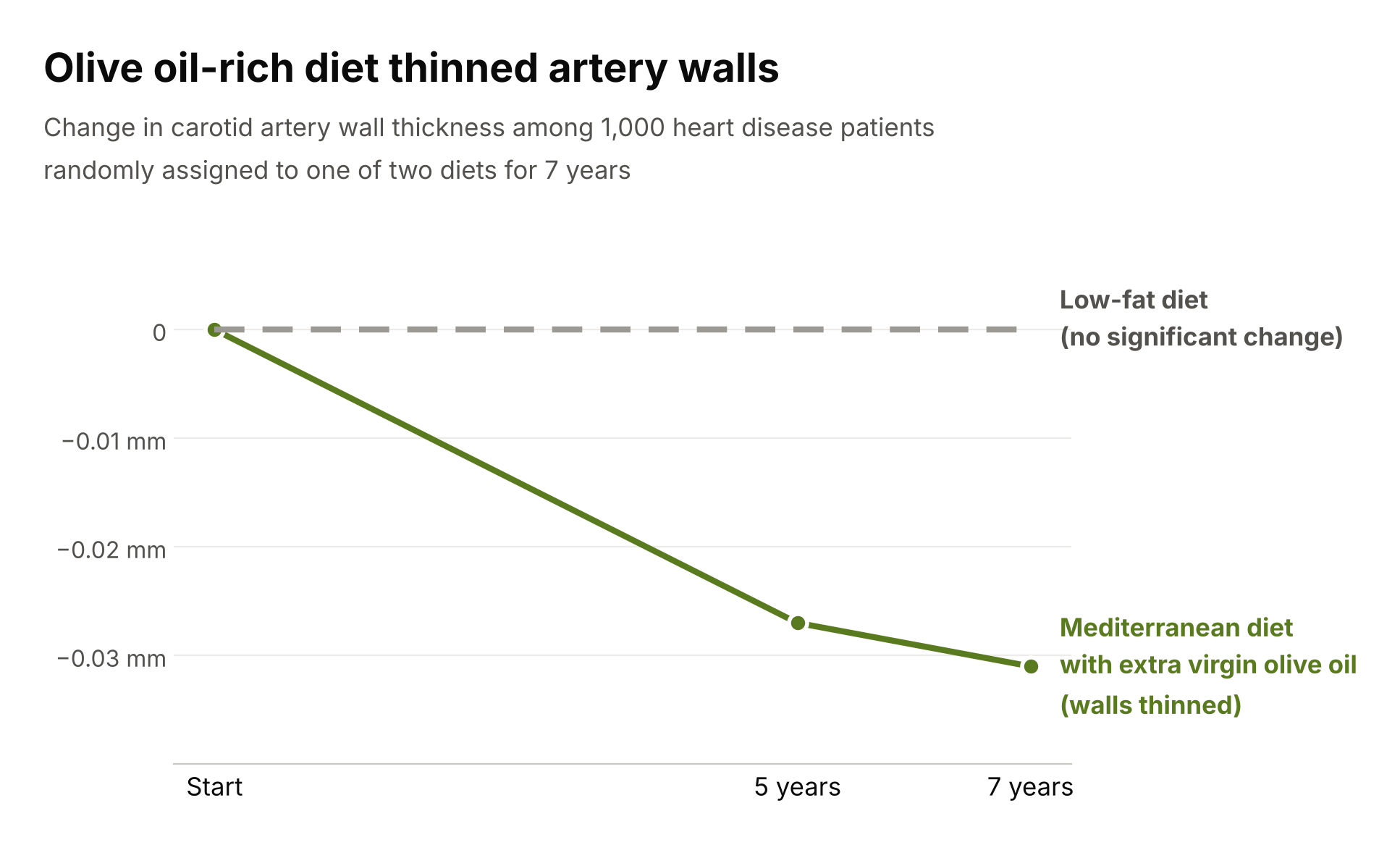
Note: I view the Mediterranean diet as one of the better diets (rather than the optimal one)—but unlike many of the other ones with merit, extensive research has been conducted that then showed it works, and in practice, we find certain subsets of patients greatly benefit from it.
However, the benefits from the Mediterranean diet were seen in people eating fresh, genuine olive oil (e.g., participants in the first of those trials were given a liter of extra virgin olive oil each week), whereas much of the olive oil sold in America is stale or not truly extra virgin. As such, I believe many Americans who adopt a Mediterranean diet never receive its full benefit, as the oil at its center is often missing the very compounds believed to be responsible for much of it.
Many of the chronic diseases that fill our offices today, such as cardiovascular disease and the degenerative diseases of aging, are driven in part by oxidative stress and inflammation, and extra virgin olive oil supplies compounds that counter both (one of which works much like ibuprofen), within a fat far more stable than the seed oils most people now cook with. Additionally, it requires no pill, prescription, or laboratory to produce, only fresh olives and a mill. Unfortunately, much of what is sold as extra virgin olive oil today has been cut with cheaper oils, made from inferior olives, or degraded by heat and age, and hence contains little of those compounds. Fortunately, genuine oil is still being made, frequently by small producers who grow and mill their own olives and make their oil commercially available.
What’s in Olive Oil
Unlike seed oils (e.g., soybean, canola, and sunflower), which are typically extracted with an industrial solvent and then refined, olive oil is made by crushing the olives and pressing or spinning the oil from the paste, without solvents, chemicals, or refining. Roughly 70% of the fat in olive oil is oleic acid, a monounsaturated fat that is much more stable than the polyunsaturated fats that dominate seed oils, which oxidize substantially faster. Oxidation turns oils rancid, and within the body, oxidative damage helps LDL cholesterol build up in the walls of the arteries.
More importantly, the fats circulating in your bloodstream largely reflect the fats you eat, so a diet rich in olive oil shifts them toward this more stable fat, and oleic acid is generally regarded as one of the healthiest fats we can consume. The heart in particular appears to benefit, as given a choice, it burns fat over any other fuel, and in animal and cell studies, injured hearts treated with oleic acid recovered faster and more completely.
Bottles labeled “olive oil,” “pure,” or “light” are mostly refined oil, yet still contain about as much oleic acid as the best extra virgin oil. What they lack is the remaining 2% of the oil, a mix of over a hundred compounds that refining destroys, and which research credits for most of olive oil’s benefits. The most significant of these are the polyphenols, a large family of plant compounds, many of which act as antioxidants.
In extra virgin olive oil, they are the most abundant natural antioxidants, and have been linked to slowing the progression of diseases driven by oxidative stress, such as cardiovascular disease, cancer, and the degenerative diseases of aging.
Olive oil contains several types: simple phenols, lignans, flavonoids, and secoiridoids. The secoiridoids are found only in the olive’s plant family. Their effects are well enough established that in 2012, European regulators actually approved a health claim stating that olive oil polyphenols protect blood fats from oxidative damage. However, the claim can only be made for oils containing at least 5 mg of hydroxytyrosol and its related compounds per 20 grams (roughly 1.5 tablespoons), the amount it specifies be consumed daily. Relatively few oils on the shelf state whether they meet it, but as I will discuss further below, they can be found.
The most notable of these compounds are:
Hydroxytyrosol: one of the oil’s most potent antioxidants, and the compound the European health claim is built on.
Oleocanthal: the source of the sting at the back of the throat, which inhibits the same enzymes as ibuprofen (discussed further below).
Oleacein: oleocanthal’s chemical sibling, which has shown anticancer and metabolic activity in early laboratory and animal studies.
Squalene and vitamin E: antioxidants that protect the oil itself from oxidation, along with the tissues of those who eat it. The oil’s vitamin E comes primarily as α-tocopherol, its most biologically active form, which the cosmetics industry has long used to shield the skin from sun damage, while squalene is a compound the body uses to build sterols and vitamin D. Olive oil itself has been used as a skin and hair treatment for thousands of years.
Note: in a 2022 analysis of four randomized trials involving over 1,600 patients, olive oil applied to the skin reduced the incidence of pressure ulcers (bedsores) by roughly 44% compared to standard treatments.
One of the least appreciated aspects of olive oil is that many of its most valuable compounds do not exist in the olive. The fruit instead contains oleuropein (along with a close relative called ligstroside), a compound so bitter that a fresh olive is inedible until cured, and since it dissolves in water, most of it would be discarded with the water when the oil is separated. However, once the olives are crushed, an enzyme in the fruit’s flesh strips a sugar off of each, converting them into oil-soluble secoiridoids (e.g., oleacein and oleocanthal), some of which only form during milling. In essence, the same bitterness that makes a raw olive inedible is what becomes the oil’s medicine, and much of that medicine is made in the mill.
Even then, less than 1% of the olive’s phenolics end up in the bottle. Because of this, polyphenol content varies enormously, from roughly 50 to 800 mg per kilogram depending on the olive variety, where it was grown, how ripe it was at harvest, and how it was milled, whereas the European health claim requires about 250 mg per kilogram. Afterwards, both filtering and storage gradually reduce these compounds further. The most medicinally potent are typically your early harvest extra virgin olive oils with a strong and pungent taste, indicative of high polyphenol content, but not always the most palatable in the culinary sense.
Note: this means two bottles legally labeled extra virgin can differ more than tenfold in the very compounds the research credits for olive oil’s benefits.
Oleuropein, however, is not limited to the fruit, as the leaves of the olive tree are far richer in it, and they have a long medical history of their own. By the early 1900s, the British Pharmaceutical Codex listed olive leaves as a remedy for fevers, noting that a decoction of them had been used as a substitute for quinine in obstinate cases. Modern research has since found they have far more to offer. In a randomized trial of patients with high blood pressure, 500 mg of olive leaf extract twice a day lowered blood pressure as effectively as captopril (a commonly prescribed blood pressure drug), while also lowering triglycerides, which the drug did not. Likewise, in overweight middle-aged men, 12 weeks of olive leaf polyphenols improved insulin sensitivity by 15% and the responsiveness of the cells that produce insulin by 28% compared to placebo. So while I generally prefer whole foods to isolated extracts (discussed further below), olive leaf extract is one of the few I consider well worth knowing about.
Note: Olive leaf extract has a surprisingly broad preclinical antimicrobial profile (antibacterial, antiviral, antifungal, and some antiparasitic activity in vitro), while human data and clinical experience are strongest for viral infections—particularly topical use in herpes labialis and supportive symptom/inflammatory modulation in viral respiratory illness. Our own experiences (and many reports online) corroborate its value in treating viral infections—all of which is discussed below.
The Natural Anti-Inflammatory
One of olive oil’s most important medicinal properties was discovered by taste, much as early physicians once judged a plant’s medicinal uses by its taste and smell. In 1999, Gary Beauchamp, a researcher who studies the chemistry of taste and smell, sampled freshly pressed oil at a conference in Sicily and immediately recognized the burn it left at the back of his throat. He had just spent months swallowing ibuprofen for a pharmaceutical study, and experienced how ibuprofen produces an unusual sting felt only in the throat. Since a compound’s sensory qualities often reflect what it does in the body, he suspected the two were related.
He was correct. His team traced the sting to a compound they named oleocanthal (oleo for olive, canth for sting, and al for aldehyde), and found that despite looking nothing like ibuprofen, it inhibits the same COX-1 and COX-2 enzymes (which produce the prostaglandins responsible for swelling and pain). Moreover, at equal concentrations in the lab, oleocanthal blocked 41–57% of COX activity, compared to 13–18% for ibuprofen.
Note: in laboratory and animal studies, oleocanthal has since shown activity against arthritis, Alzheimer’s, and several cancers, which is discussed further below.
In people, the evidence is strongest for joint disease. Of the existing diets, the Mediterranean diet has the most research supporting its use for autoimmune disorders (e.g., see this review and this review), and we’ve found it frequently helps rheumatologic patients. For example, in a randomized trial of 51 rheumatoid arthritis patients, those who switched to a Cretan Mediterranean diet that used olive oil as one of its primary fats had less inflammatory activity, better physical function, and more vitality after twelve weeks, whereas those who stayed on their usual diet saw no change. Likewise, among 365 rheumatoid arthritis patients, those who ate the most olive oil had lower disease activity, particularly those with more severe or long-standing disease. Corroborating this, we have repeatedly observed rheumatologic patients improve from a Mediterranean diet—although many patients cannot get the quality foods and oils (e.g., fresh olive oil and omega-3s) the diet requires, in which case its benefits are much smaller.
Note: there is also some evidence that avoiding seed oils or adopting a ketogenic diet can help autoimmunity.
Olive oil also appears to work when applied directly to the joints. In a small double-blind trial of patients with knee osteoarthritis, olive oil rubbed onto the knee relieved pain more effectively than an NSAID gel, and in another trial, olive oil applied with ultrasound worked as well as an NSAID gel for knee pain in athletes, and faster. More broadly, across 15 randomized trials, olive oil lowered C-reactive protein, and in seven, interleukin-6, two of the body’s key markers of inflammation.
That said, the amount consumed in a typical diet is modest, as 50 grams of fresh oil a day provides roughly 10% of the ibuprofen dose used for pain relief. However, I do not believe this is an issue as chronic low doses of ibuprofen and other COX inhibitors like aspirin, in addition to being much safer, have been shown to have anticancer and anti-clotting effects, and many of the diseases we struggle with are driven by a low-grade inflammation that never fully shuts off. Because of this, a small daily dose of a natural anti-inflammatory may be far more useful than an occasional large one, particularly since regular NSAID use carries considerable side effects (e.g., damage to the lining of the gut).
Note: the hidden costs of conventional pain management medications (and the overlooked alternatives to it) are discussed further here.
This also means you can taste whether your oil contains it, as the sting grows stronger as oleocanthal levels rise. Because of this, Mediterranean tasters have long graded prized oils as “one-cough” or “two-cough” (with the latter considered superior), whereas an oil with no sting at all likely contains very little.
Note: people differ in how sensitive they are to oleocanthal, so an oil that barely tingles for one person can make another cough.
Bioavailability and the Food Matrix
Unlike many plant compounds, which the body absorbs poorly, olive oil’s polyphenols are unusually well absorbed, further strengthening the case for making olive oil a daily part of your diet. Most pass through the mouth and stomach unchanged and reach the small intestine, where hydroxytyrosol and its close relative tyrosol are absorbed at a rate of roughly 40–95% (depending on the dose).
Once absorbed, hydroxytyrosol has been found in rats to concentrate in the liver and kidneys (the organs that filter and process toxins, and hence bear a heavy oxidative load) as well as the brain, as it appears able to cross the blood–brain barrier, which most antioxidants cannot. This is significant, as the brain consumes roughly 20% of the body’s oxygen and is rich in easily oxidized fats, making it one of the organs most vulnerable to oxidative damage.
Note: in toxicity studies, hydroxytyrosol showed no adverse effects at doses up to 500 mg per kilogram of body weight per day, far beyond anything obtainable from food.
Another underappreciated advantage is that some of these compounds can work on both sides of the body’s water–fat divide. The antioxidants in fruit juice and wine are essentially only water-soluble, whereas oleacein dissolves in both water and fat, allowing it to act in watery environments such as the blood as well as fatty ones such as the brain, nerves, and fat cells.
Most importantly, the oil itself appears to be the best delivery system for these compounds. When olive oil polyphenols were given in water, in yogurt, or even added to refined olive oil, they were absorbed less effectively than when they occurred naturally in extra virgin oil, and in a trial of an olive leaf extract, the phenols were better absorbed as a liquid than in capsule form. In other words, every attempt to isolate or repackage these compounds made them less available to the body, not more. This is one of the reasons I generally prefer whole foods to isolated extracts, and researchers have likewise cautioned that olive oil’s phenolics work synergistically, so a single compound pulled out of the oil may not behave the same way on its own.
Note: this mirrors the situation with turmeric and the curcumin in it.
Finally, whatever is not absorbed in the small intestine continues to the colon, where it is fermented by gut bacteria into compounds that can benefit the gut directly (e.g., through a prebiotic-like effect) or be absorbed and act elsewhere in the body, and in mice, extra virgin oil improved the gut microbiota compared to other fats and refined olive oil.
These unabsorbed polyphenols also appear to counter one of the dietary drivers of colon cancer (which is now the leading cause of cancer death in American men under 50 and the second in women under 50). The typical American diet delivers a steady stream of oxidized fats (e.g., from fried foods and reheated seed oils) to the gut, and oxidized frying oil accelerates colon tumor formation in mice. Olive oil’s polyphenols, in turn, counteract this at multiple stages. During simulated digestion, they sharply reduced the formation of the toxic aldehydes (e.g., 4-HNE and MDA) that oxidized fats produce. In human intestinal cells, they blocked the oxidative damage and inflammation caused by dietary oxidized fats. In colon cells, they protected DNA from oxidative damage. Consistent with this, in a large Italian and Swiss study, people who fried with olive oil rather than other oils had a lower risk of colon cancer.
Beyond the Heart: Inflammation, the Brain, and Cancer
Since chronic inflammation plays a role in arthritis, cancer, cardiovascular disease, and Alzheimer’s, olive oil’s anti-inflammatory compounds have been studied in each. Much of this research is still in cells and animals, but it is consistent with what is seen in Mediterranean populations, whose rates of chronic inflammatory disease are among the lowest in the world, and increasingly, with human studies as well. For example, when over 92,000 American nurses and health professionals were followed for 28 years, those consuming more than half a tablespoon of olive oil a day had a 29% lower risk of dying from neurodegenerative disease and a 17% lower risk of dying from cancer than those who rarely consumed it. Notably, the study began in 1990, long before most consumers paid attention to polyphenol counts or harvest dates, so most participants were likely buying whatever olive oil their local supermarket carried. As such, while a fresh, high-polyphenol oil is ideal, even an ordinary bottle of olive oil appears to provide meaningful benefits.
Joints: in cartilage and immune cells, oleocanthal suppressed several of the inflammatory signals (e.g., nitric oxide, IL-6, and TNF-α) that drive the cartilage destruction seen in osteoarthritis and rheumatoid arthritis, leading researchers to argue it should be developed as a treatment for joint disease.
Brain: Alzheimer’s is marked by abnormal beta-amyloid proteins in the brain that clump into plaques between neurons, and tau tangles, twisted fibers of protein that build up inside neurons and choke off their internal transport. In the lab, oleocanthal disrupted the formation of tau tangles and protected neurons from the amyloid fragments, while in mice, it increased the brain’s clearance of beta-amyloid. Likewise, populations following a Mediterranean-style diet have shown up to a 40% lower rate of Alzheimer’s, which hydroxytyrosol’s apparent ability to cross the blood–brain barrier may help explain. More recently, in a six-month trial of adults with mild cognitive impairment, those given a high-polyphenol extra virgin oil (The Governor, at roughly 1,200 mg/kg) showed improved blood–brain barrier function and brain connectivity, which those given refined olive oil did not. Sadly, decades of research focused narrowly on clearing amyloid have produced drugs that deliver barely noticeable benefits at enormous cost and frequently cause brain swelling and bleeding, which suggests that, unlike olive oil (which acts on many aspects of the disease at once), targeting amyloid alone is not enough, while far more promising approaches have been sidelined.
Note: how this happened, and the overlooked treatments that deserve far more attention, are discussed further in The Great Alzheimer’s Scam and The Proven Cures They’ve Buried for Billions (which can be read here).
Cancer: a 2015 Rutgers and Hunter College study found that olive oil’s oleocanthal killed pancreatic, breast, and prostate cancer cells in as little as 30 minutes by rupturing their lysosomes (the cell’s digestive compartments), while leaving healthy cells unharmed. This appears to be because cancer cells have larger, more fragile lysosomes than healthy ones. Likewise, in the randomized Spanish trial of 7,447 adults that compared Mediterranean diets to a low-fat one, women given extra virgin olive oil developed breast cancer at roughly a third of the rate of those advised to cut their fat intake. Additionally, oleocanthal inhibits COX-2, an enzyme many tumors overproduce to fuel their growth, which may help explain why Mediterranean populations have lower rates of breast, prostate, lung, and gastrointestinal cancers than Western ones.
The caveat is that olive oil’s greatest benefits depend on the oil being genuine, and since the earliest written records of olive oil, the trade has been plagued by fraud. That problem has not gone away, as when UC Davis tested imported “extra virgin” oils sold in California, 69% failed the standard. That was far from the only study to find this, and as I will show below, independent testing has repeatedly found similar results (in one case, nearly every bottle tested failed), while police continue to uncover large operations passing off cheaper oils as extra virgin.
For this reason, I’ve put quite a bit of work into figuring out how to find olive oil that actually delivers these benefits. In the final part of the article, I will share how to spot degraded oil, the brands we trust, how we use olive oil in cooking and eating, how we use specific olive leaf extracts for viral illnesses, and how good olive oil became the secret to a healthy “potato” chip that tastes better than the real thing.
Fraudulent Oil
Since seed oils are far cheaper to produce than olive oil, they have displaced it in most kitchens, restaurants, and processed foods, and the pressure to compete with them on price is also a major reason so much “cheap” olive oil is sold. Moreover, because genuine extra virgin olive oil is expensive to produce and difficult for consumers to verify, it has long been one of the most commonly faked foods. The most serious case occurred in Spain in 1981, when rapeseed oil laced with aniline (an industrial chemical used to make plastics) was sold as olive oil, poisoning over 20,000 people, killing an estimated 800, and leaving thousands more with permanent neurological and autoimmune damage. Most fraud since then has been less dangerous but far more widespread.
• In 1991, Bertolli and other major olive oil companies bought oil adulterated with hazelnut oil from an Italian supplier and resold it as olive oil.
• In 2004, of 31 bottles of “extra virgin” oil from German supermarkets sent to trained tasting panels, only one met the standard, and most were graded lampante (oil legally unfit to eat).
• A University of Bologna analysis found 70% of “extra virgin” oils sold for under €3 per liter were not actually extra virgin and likely contained deodorized oil.
• Since Canada began testing retail olive oils in 1997, over 20% have proven fraudulent, whereas the US (which did no systematic testing) likely fared worse.
Most of this fraud does not involve swapping in a different oil entirely, but rather passing off lower grades of olive oil as extra virgin. The most common method is deodorization, where inferior olive oil is processed at low heat to remove the rancid or musty tastes that would otherwise give it away and is then blended into better oil. It is also the hardest form of fraud to detect, as those producing it often have laboratories as sophisticated as the major brands’, know the detection limits of the tests, and adjust their blends to stay just under them. Likewise, rejected oil rarely disappears (e.g., Bertolli reported rejecting about 70% of the oil it receives as suspect, which is then bought and bottled by someone else, typically as “extra virgin”).
Note: the FDA has historically been reluctant to devote resources to olive oil fraud on the basis that it is not a serious public health hazard. I disagree, as while less common, oil cut with peanut or soy oil can sicken those allergic to them, and Italian investigators have found hydrocarbon residues and pesticides in fake olive oils, along with mineral oil and carcinogenic PAHs in pomace oil (a common adulterant).
Fraud and Testing Today
After extreme weather cut Mediterranean olive oil production by roughly 41% in 2023 and prices soared, Europol warned that inflation, reduced production, and rising demand had created ideal conditions for fraudulent producers. For example:
• In November 2023, Spanish and Italian police arrested 11 people and seized over 260,000 liters of oil that had been diluted with lampante oil (the lowest-quality, inedible virgin olive oil) and sold as virgin or extra virgin.
• In 2024, Italian authorities confiscated 42 tons of fake extra virgin oil, along with 623 liters of chlorophyll being added to cheaper oil to give it the green color of the real thing, while earlier that year, raids on 50 restaurants in Rome found seed oil being passed off as extra virgin.
However, criminal adulteration is only a small part of the problem. Far more often, the oil is genuine olive oil that simply is not extra virgin, either because it was made from poor olives or because it has gone rancid by the time it reaches the shelf. This is what independent testing consistently finds, as in addition to the 2010 analysis mentioned earlier (in which 69% of imported “extra virgin” oils and 10% of Californian ones failed, typically for defects such as rancid, fusty, or musty flavors):
• A later UC Davis study of oils sold to restaurants found 60% of “extra virgin” samples failed sensory standards (some so badly they qualified as lamp oil) despite nearly all passing the standard chemistry tests, and one had been cut with refined canola oil.
• In the largest US testing program to date, released in 2025 by the North American Olive Oil Association (the importers’ trade group), no adulteration was found across 190 samples representing the top 15 brands and 37 store brands (two samples from small brands outside that group were adulterated), but 11% of the extra virgin samples failed to meet the standard for the grade.
Note: in other words, while criminal fraud makes headlines, it accounts for only a small fraction of the olive oil sold (e.g., the 260,000 liters seized in 2023 was tiny compared to the roughly one billion liters Spain and Italy produce in a poor year), whereas testing repeatedly finds that a large share of the “extra virgin” oil on the shelf has simply degraded. As such, the greater risk for most people is not buying fake oil, but buying genuine olive oil that is too old or poorly made to deliver the benefits seen in the research.
Sourcing Real Olive Oil
Since olive oil degrades from the moment it is pressed, freshness is the most important thing to select for, and there are a few ways to identify it from the label:
• A harvest date: although most oils in American grocery stores list only a “best by” date (which is typically set 18–24 months after bottling, and hence says little about when the olives were picked), a growing number of producers, such as California Olive Ranch, now print a harvest date, and these are worth seeking out. UC Davis researchers recommend using oil within 15 to 18 months of harvest. If no harvest date is listed, choose the bottle with the latest “best by” date. Overall, freshness frequently trumps brand (e.g., the “best” brands perform much worse in taste tests if they are over a year old).
Note: if you are fortunate to live by a specialty shop, you can often get much more freshly harvested olive oil.
• Packaging: light rapidly degrades olive oil. Over a year, oil stored in dark glass in the dark lost only 10–15% of its polyphenols, whereas oil in clear glass exposed to light lost 43–65%. While clear bottles have become less common, many oils still come in clear or lightly tinted plastic, so dark glass or tins are the better choice. For the same reason, olive oil experts avoid buying bottles from the top shelf of a grocery store, as those sit closest to the lights, and once home, a bottle is far better kept in a dark cabinet than on the counter next to the stove, where it is exposed to both light and heat.
• Early harvest: since polyphenols decline as olives ripen, early-harvest oils are typically more bitter, more pungent, and richer in them.
• A specific origin: most olive oil sold in the US is a blend of oils from several countries (often listed in small print on the back label), which makes it nearly impossible to know how old the oil is or how it was handled. Labels naming a single country, region, or estate (e.g., “100% California”) make an oil easier to trace, although this is not a guarantee of quality, as several single-origin oils have failed independent taste testing while some well-made blends have passed.
Note: many people assume “cold-pressed” means a higher-quality oil, but nearly all extra virgin olive oil is made this way (and most is no longer even pressed), so the label does not set one bottle apart from another.
Since labels are often unreliable, however, your own senses remain one of the best tools you have. A good extra virgin olive oil should taste fresh and fruity, with some bitterness and a peppery sting at the back of the throat, whereas the most common defects are easy to recognize once you know them:
• Rancid: smells stale, like old walnuts, a sign the oil has oxidized.
• Fusty: has a heavy, fermented smell, from olives left piled up too long before milling.
• Musty: smells damp, like a basement, from olives that had begun to mold.
• Winey: has a sour, vinegar-like sharpness, from olives that fermented in the presence of air.
Which Oils to Buy
Unfortunately, very few grocery store brands publish their polyphenol content, so for most of the oils Americans buy, there is no way to know how much of the oil’s medicine is actually in the bottle. What independent testing can verify is whether an oil is fresh and genuinely extra virgin, and on that front, recent testing of 11 common brands found that price was a poor predictor of quality (with some widely sold brands failing) and that California and Italian ones tended to be the best. However, given how small their sample size was (due to how many brands of olive oil exist and it being impossible to test all of them), it’s hard to say how much this generalizes—particularly since olive oil quality varies from harvest to harvest and between product lines of the same brand (e.g., I recently tried an organic version of a non-organic oil that got a terrible evaluation, and the organic one was clearly high quality).
Note: the best olive oils I have ever had were Greek oils I ate in the same area where the olives were harvested. Regrettably, oil of that freshness and quality is impossible to come by where I live as olives simply can’t grow here.
Overall, I feel the special artisan olive oils (provided you have vetted the company) are the best source of olive oil—so if there is one you know of through your network, it is often worth considering as your primary source of olive oil (especially if the business is staked upon ensuring the quality of each bottle they sell). However, when drafting this article, I realized it would not be appropriate to recommend one, as beyond being more expensive, their supply chain would not be able to accommodate an influx of new customers, so most of the people here who tried to get it would not be able to (and beyond the multiple good artisan brands I know of, many more exist—so I do not want to highlight one specific one as “the best”).
In terms of mass distributed olive oil, over the years, I’ve explored many different brands of olive oil (e.g., evaluating their taste, how they feel, how people seem to do on them) and eventually settled on Madhava’s.
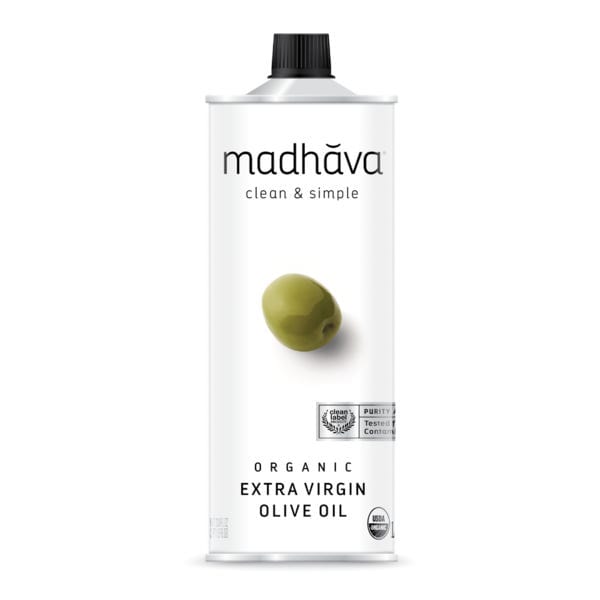
I then researched the brand further and learned that:
•It is single-sourced from Tunisia and packed in Sicily, USDA organic (where I must also acknowledge Tunisian oils have a mixed record in independent taste panels, so it is worth checking each bottle for freshness).
•It has received the Clean Label Project’s Purity Award after being tested for over 130 contaminants (including heavy metals and pesticides), which few other brands can claim.
•Online reviews consistently were very positive for the oil (e.g., see the ones on Amazon).
Note: some stores sell Madhava oil (e.g., I learned about it in the process of going through a health food store’s olive oil section)—and hopefully more will after this article is published (e.g., over the last two years I’ve noticed some health food stores have started selling DMSO), but in most cases it needs to be ordered online, such as through Amazon.
At the same time, it is understandably often not practical for people to get, and while it’s hard for me to pick a number two (as a good case can be made for some of the California and Italian olive oils), of the widely available options I think Costco’s organic one is a fairly reliable choice, as are California’s, since they travel the shortest distance (and hence reach shelves fresher) and are held to California’s mandatory quality standards. As such for cooking, I would recommend either of these (with the caveat you will want to research the specific California brand you choose as there is variation between them).
It’s also worth noting that many budget olive oils come in large plastic bottles, which I generally avoid, as olive oil is a fat and fats readily draw plastic compounds out of their containers. That said, in a 2024 study that tracked plasticizers through olive oil production, oil stored in plastic showed no significant difference from oil stored in glass after six months, and most of the contamination appeared to come from the plastic hoses used during bottling rather than the bottle itself. However, by 18 months, the oil stored in plastic had noticeably higher levels, leading the researchers to advise against storing olive oil in plastic long-term. As such, if you buy olive oil in a large plastic container, I would first make sure its packing date is recent (or its “best by” date is far off), and try to not wait too long before consuming it.
Furthermore, once a bottle is opened, oxygen begins to degrade the oil each time it is uncapped, so it should be kept tightly sealed and is best used within a couple of months. Additionally, oleocanthal and the other polyphenols are among the compounds most affected by storage temperature, which is why the cabinet beside the stove (where many people keep it) is one of the worst places to store it.
Additionally, for those seeking olive oil specifically for its medicinal properties, early-harvest Greek oils are a good choice, as in an analysis of thousands of Greek olive oils, 74% contained enough polyphenols to qualify for the European health claim, which is why so many of the highest-phenolic oils on the market are Greek. I personally find the taste of Greek olive oil to be pleasant and smooth, and most grocery stores stock several olive oils from Greece (where you unfortunately must balance freshness against brand quality).
Finally, for those who want to know exactly what they are getting, the only reliable option at present is to buy from producers who lab-test each batch and publish the results.
A small number of producers make olive oil specifically for its medicinal value by harvesting early, milling immediately, and lab-testing each batch, which typically yields 500 to over 1,000 mg/kg of polyphenols (compared to the 250 mg/kg the European health claim requires). These include:
- The Governor: standardized to 1,200 mg/kg and used in the brain trial discussed earlier.
- PJ Kabos “Phenolic Shot”: measured 995 mg/kg by one method and 1,473 by another.
- Kyoord: reports over 1,000 mg/kg.
- Entelia Private Reserve: an early-harvest Cretan oil that measured 842 mg/kg, at roughly half the price of most high-phenolic oils (and less still in its 3-liter bag-in-box).
These are sold primarily online, and since they are intensely bitter and expensive (often $30–110 per half liter), they are better taken raw, a spoonful at a time or drizzled over finished food, than used for cooking.
Using Olive Oil in Your Diet
Many people avoid cooking with extra virgin olive oil because of its relatively low smoke point (the temperature at which an oil begins to smoke as it breaks down), and instead use oils like avocado or grapeseed for high-heat cooking. However, smoke point turns out to be a poor predictor of how much harmful material an oil produces when heated. When ten common cooking oils were heated to frying temperatures for six hours (a stress test far harsher than ordinary home cooking), extra virgin olive oil produced the fewest harmful breakdown products of any of them, despite having a lower smoke point than most, followed by coconut oil (whose saturated fat is also highly stable), whereas canola, grapeseed, and rice bran oils produced the most. This is because olive oil’s fat is far more stable than the polyunsaturated fats in seed oils, and its polyphenols help protect it from oxidation.
Frying in olive oil has been a staple of Mediterranean cooking for centuries, and when 40,757 Spanish adults were followed for 11 years, eating fried food (cooked primarily in olive or sunflower oil) was not associated with heart disease or death, although the authors cautioned this would likely differ in countries that fry with solid or reused oils.
Fittingly, as I mentioned earlier, many of the best restaurants I’ve eaten at cook with olive oil rather than seed oils. However, since olive oil is one of the easiest places for a restaurant to cut costs, many that advertise it instead use “blended” oils made for the food service industry, which are often 75% canola and only 25% olive oil, while those buying extra virgin oil in bulk are particularly vulnerable to the fraud discussed earlier. As such, a restaurant that genuinely cooks with good olive oil is making a deliberate (and costly) choice, and in my experience, it tends to be a sign of the care that goes into the rest of the food (and in many cases, these restaurants don’t flaunt it—I just found out when I asked them what their secret to dish preparation was).
Note: many people have switched to cooking with avocado oil because of its higher smoke point. However, most of the avocado oil sold in the US is refined, which strips most of its antioxidants. Furthermore, when UC Davis tested avocado oils sold in the US, 82% were either stale before their expiration date or mixed with other oils, with three bottles labeled “pure” or “extra virgin” consisting of nearly 100% soybean oil.
That said, while extra virgin olive oil holds up well to heat, its polyphenols do not. When it was sautéed in a home kitchen, the oil lost 40% of its polyphenols at 248°F and 75% at 338°F, and this loss was driven almost entirely by temperature rather than cooking time (e.g., cooking for longer did not substantially increase it). However, even after sautéing, the oil still met the threshold for the European health claim, so cooking with it still provides meaningful benefits. To get the most out of it, I would recommend the following:
- Use a good everyday extra virgin oil for cooking, and save the more expensive high-polyphenol oils for drizzling over the food once it is done. Cook at moderate heat, and lower it if the oil begins to smoke. While smoke point is a poor way to compare oils, smoke still signals that an oil is breaking down faster, and depending on its quality and freshness, olive oil can begin to smoke anywhere from 347°F to 464°F. Sautéing at those temperatures also degrades the nutrients in food and, depending on what’s being cooked, creates harmful byproducts, so olive oil’s smoke point is less a limitation than a built-in warning that the food itself is being overcooked.
- For roasting, coat the food rather than the pan, as the oil on moist vegetables stays far cooler than the oven around it, whereas oil pooled on a bare pan is the first to smoke.
- Use it raw whenever you can (e.g., drizzled over finished food, in homemade salad dressings, with bread, or by the spoonful), as this is where its medicinal compounds remain fully intact.
- Pair it with carbohydrates. In people with prediabetes, adding 10 grams (about ¾ of a tablespoon) of extra virgin oil to a meal significantly lowered blood sugar afterwards while also lowering triglycerides, apparently by boosting the hormones that help the body release insulin. Similarly, in type 1 diabetics, extra virgin oil produced roughly half the blood sugar rise that butter did after a high-carbohydrate meal.
- Replace other fats with it rather than adding it on top of them, as this is how the benefits were seen in most studies. The amounts involved are modest, and thus easy to reach: the European health claim is based on about 1.5 tablespoons a day, while participants in the large Spanish trial mentioned previously consumed about 4.
Healthy Potato Chips
One of the things I long struggled with was liking potato chips while recognizing they were not good for me (and did not make me feel good after I ate them). Eventually, I realized that if you cut up Lacinato kale, dehydrated it, and then quickly mixed it with good quality olive oil and salt immediately prior to eating it, it had all of the delightful qualities I’d associated with potato chips, but tasted better, was healthy and did not make me feel bad after I ate it (all of which I discussed further at the end of this article).
Note: since the oil is added after the kale is dried rather than before, it never sees any heat, so its polyphenols remain fully intact, which makes this a perfect use for a high-polyphenol oil (particularly since you consume it immediately after preparing the “chips,” so the oil does not have time to degrade).
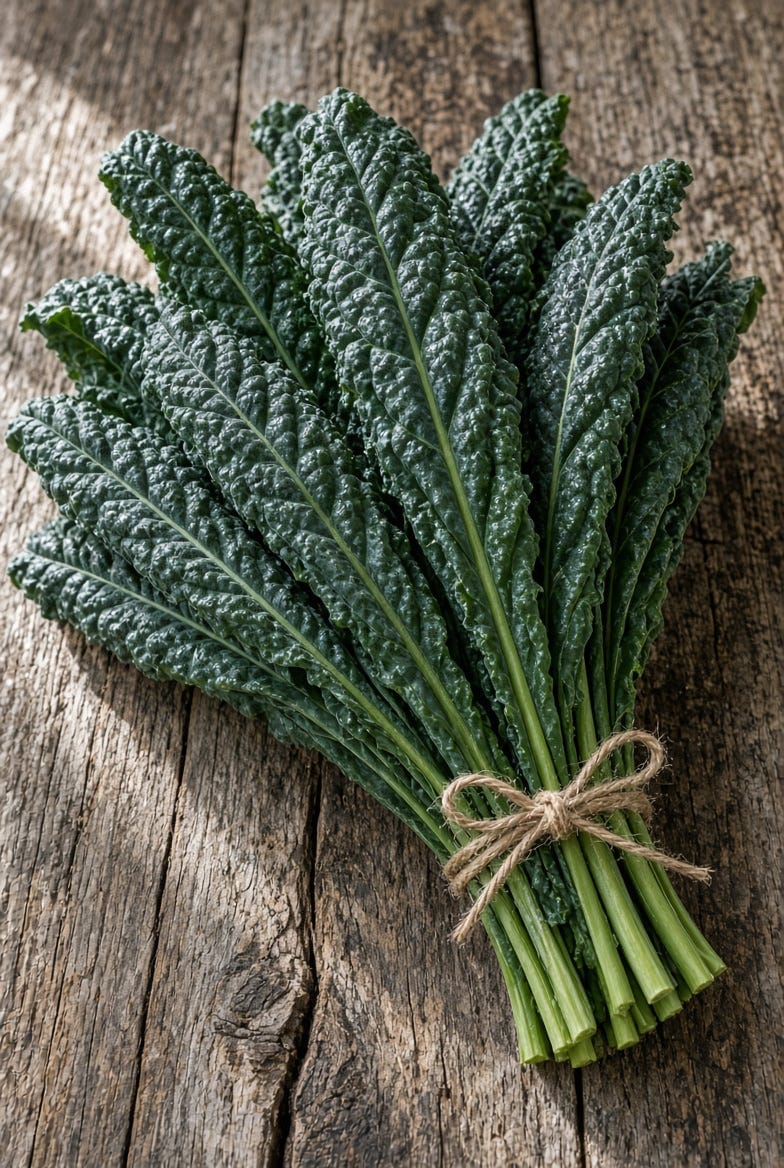
To make them (which is very little work, especially if you have a dehydrator):
- Remove the stems from the kale and tear or cut the leaves into chip-sized pieces.
- Dry them in a dehydrator ideally, or if you do not have access to one, in an oven on its lowest setting with the door cracked until fully crisp, which typically takes a few hours (although this is harder to get correct than the dehydrator approach).
- Store the dried kale in an airtight container, and right before eating, put it into a bowl, add olive oil (ideally a good quality one) and salt (ideally a quality brand that is finely ground) and then toss a serving with this mixture.
Cautions
Some have argued that olive oil should be limited to as little as a teaspoon a day because it contains linoleic acid (the polyunsaturated fat that dominates seed oils), and that its oleic acid may promote insulin resistance, largely on the basis of animal studies. Yet much of the evidence for these harms comes from refined seed oils, in which linoleic acid is thought to cause damage once it oxidizes, whereas extra virgin olive oil contains only about 3–21% linoleic acid, alongside the very antioxidants that protect blood fats from oxidation. Likewise, in humans, the trials discussed throughout this article found extra virgin olive oil improved blood sugar, delayed the need for diabetes medication, and slowed the thickening of arteries. As such, I believe the concern applies far more to seed oils and adulterated olive oil than to genuine extra virgin olive oil, and it illustrates why a compound studied in isolation (or in a refined oil) may not behave the same way within the whole food.
Note: olive oil’s effects can be significant enough to reduce the need for medication. In a six-month randomized trial of patients with high blood pressure, those using extra virgin olive oil required 48% less blood pressure medication than when using sunflower oil, and 8 of the 23 participants no longer needed it at all. As such, those taking blood pressure or diabetes medications who significantly increase their intake of high-quality olive oil should monitor their levels, as their doses may need to be lowered.
Olive Leaf Extract (OLE)
Shortly after Morton Walker created the market for olive leaf extract with his 1997 book Olive Leaf Extract: Nature’s Antibiotic, I asked colleagues about their experiences with it. They told me that while it could work for other infections (e.g., Walker shared some compelling cases of mycoplasma infections causing chronic fatigue that resolved with OLE), it worked best for viral infections, and over the years I’ve seen many cases where it treated a viral illness (e.g., a few patients I’d mentioned it to years before, who had since made it their default for infections, credited it with getting them through a challenging COVID infection early in the pandemic).
While Walker strongly endorsed Seagate (and provided a good rationale for doing so), my colleagues endorsed East Park Research’s D-lenolate (which is more expensive, and began being marketed roughly two years before Walker’s book came out, when few people knew of olive leaf extract). Since I saw D-lenolate worked, I primarily went with it, and have less experience with the others, but after re-evaluating that bias, I believe the following to be true:
•D-lenolate is the most potent one (since it is a concentrated extra(hct), and as a result, it typically is the most effective for curing infections and also in triggering herxing reactions (due to the die-offs users report it creates).
•Seagate’s has a much more balanced mix of olive leaf phytochemicals, so while not as potent in direct antimicrobial activity, it has a broader effect, and hence is both more tolerated and likely able to help more situations (e.g., general immune support against a variety of infections). However, I have much less experience with this brand, so I am not fully committed to any position on it.
•The other brands—which you are much more likely to find in health food stores—still work, and while their constituents vary in testing, they still often have more than enough of the active ingredients to work. For example, a few years ago while traveling, I developed a lump at the back of my throat that caused constant irritation and felt viral. When it didn’t respond to the other options I had with me, I went to a health food store, got an olive leaf extract throat spray (Barlean’s), and found it immensely helpful (and then found many reviews online mirrored my experience).
Conclusion
Many Americans have likely never tasted a truly fresh olive oil. Instead, many have grown so used to stale, mild oil that the bitterness and sting of the real thing may read as a defect, when they are the very qualities that make it medicine. Likewise, many have been taught to avoid cooking with it because of its smoke point, even as the oils promoted in its place have fared far worse when tested. As such, learning what fresh olive oil should taste like is one of the most reliable ways to make sure you are getting what the research describes.
In this article, I tried to show why olive oil deserves a more central place in our diets and what it takes to find oil that lives up to that reputation. I hope this benefitted you, and I sincerely thank each of you for the support which makes the mission here possible.
Lastly, if you have olive oils you trust (particularly high-polyphenol oils from smaller producers most people have never heard of), please share them in the comments, along with anything you have noticed from using them, as I always learn a great deal from all of you!


